-
Talk to Our Care Planner

The Real Benefits of Physical Therapy at Home for Seniors
Over 30% of seniors 65 and older experience dangerous falls at home. Strength and mobility training can reduce those risks significantly — with the help of physical therapy for seniors at home.
Caring for an elderly loved one is no small task, especially when it comes to keeping them active and healthy.
Physical therapy at home for seniors can be a real game-changer for their health, strength and longevity. It can help your loved one improve their mobility, prevent falls, and enhance their overall health without ever leaving the house.
In this guide, we’ll dive into why home-based physical therapy is crucial and how it can significantly improve your loved one’s quality of life.
Why Physical Therapy at Home for Seniors Matters
Walking to the kitchen, getting up from a chair, or even moving around the house can become daunting tasks for seniors. These everyday activities require strength, balance, and coordination—all things that physical therapy can help restore.
Regular physical therapy at home is more than just a series of exercises; it’s a lifeline that can drastically reduce the risk of falls. According to studies, seniors who participate in regular physical therapy have a 30% lower chance of falling, which translates to fewer injuries and more independence.
Think about it—avoiding one fall could mean the difference between a minor scare and a major hospital visit. Physical therapy helps strengthen muscles, improve balance, and enhance flexibility, making daily activities safer and easier. This isn’t just about physical health; it’s about maintaining dignity and independence.
Key Benefits of At Home Physical Therapy for Elderly
Let’s break down some of these really incredible benefits of physical therapy for the elderly.

Comfort and Convenience
There’s something undeniably comforting about being at home. For seniors, this comfort can lead to better therapy outcomes. No need to navigate busy roads or deal with the stress of clinic environments. Home is familiar, safe, and stress-free, which can make a world of difference in how therapy is received.
Imagine your loved one doing their exercises in the cozy familiarity of their living room, with their favorite chair nearby. This sense of security can significantly boost their motivation and commitment to the therapy program. No transportation hassles, no waiting rooms—just effective therapy in a place they love.
Personalized Care
One of the standout benefits of at home physical therapy for elderly individuals is the level of personalized care they receive. During these one-on-one sessions, therapists can tailor each exercise to your loved one’s specific needs and abilities. This personalized approach ensures that every movement and stretch is designed to maximize benefit and minimize discomfort.
Take, for example, a senior recovering from hip surgery. In a clinic, they might be one of many patients, but at home, they are the sole focus of the therapist’s attention. This concentrated care can lead to faster, more effective recovery.
Cost-Effective
Let’s talk about money—specifically, how much you can save with home therapy. Transport costs to and from clinics add up, not to mention the higher fees often associated with clinic-based sessions. Home therapy can often be more affordable, making it accessible for more families.
By choosing home physical therapy, you not only save on transport and clinic fees but also potentially avoid the costs associated with injuries prevented by effective therapy. It’s a win-win situation: high-quality care without the hefty price tag.
A friend once told me about how her father, post-hip surgery, flourished with home physical therapy. Without the stress of commuting, he felt more relaxed and engaged with his therapy. His strength and confidence skyrocketed, and he was back on his feet faster than anyone expected.
What to Expect From In-Home Physical Therapy for Elderly
When a therapist visits your home, they bring a wealth of knowledge and a personalized approach. The first step is usually a thorough assessment of the home environment to ensure it’s safe for exercises. This might involve checking for tripping hazards, assessing the space available for exercises, and making sure there’s proper lighting.
Once the environment is deemed safe, the therapist will develop a program that fits seamlessly into the senior’s daily routine. This might include simple modifications to make everyday activities part of the therapy process, such as using the stairs for strength training or practicing balance while doing the dishes.
Exercises and Techniques With Home Physical Therapy for Seniors:
Now, let’s get into the nitty-gritty—what kind of exercises can you expect? Here are a few staples that therapists often use:

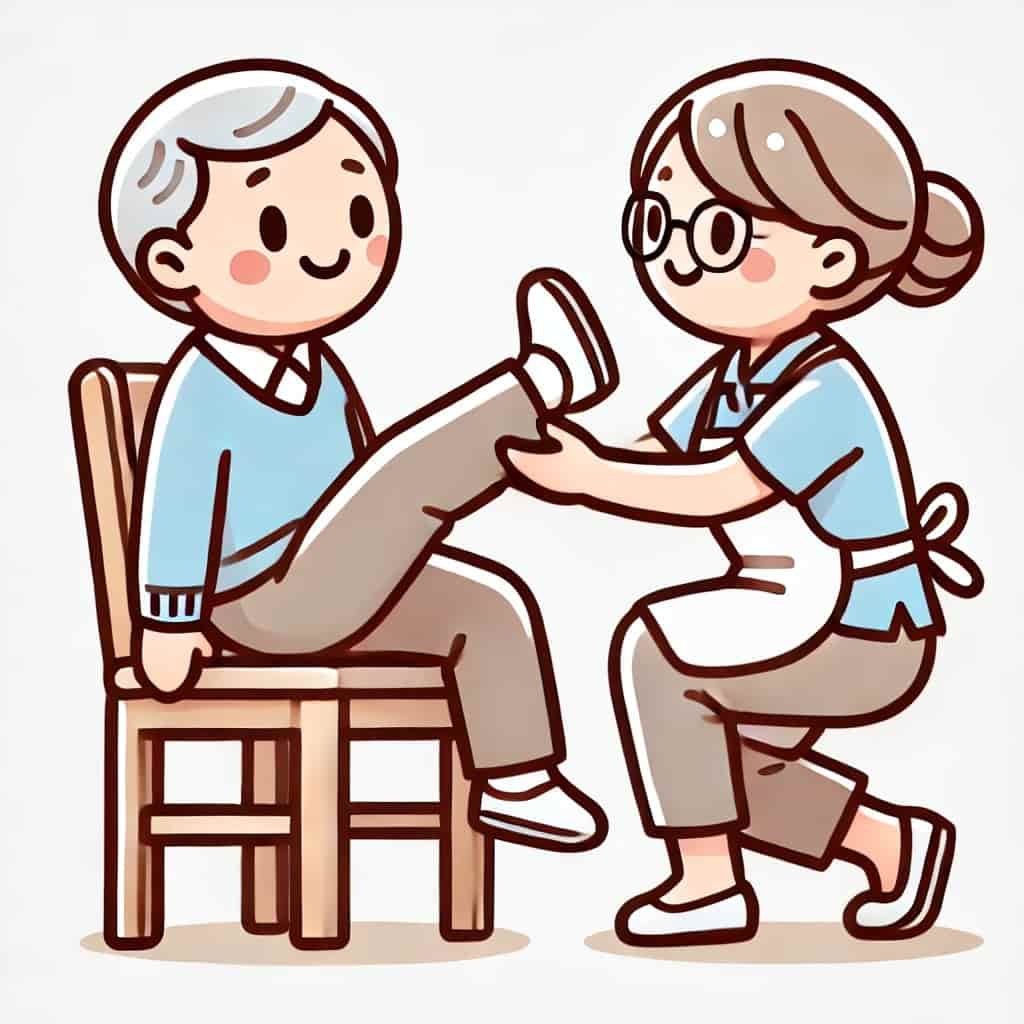
- Seated Marches: These are fantastic for improving leg strength. Your loved one sits comfortably and lifts each leg in a marching motion. Simple yet effective.
- Heel Raises: Standing tall, your loved one rises onto their toes, then slowly lowers back down. This exercise helps with balance and strengthens the calf muscles.
- Chair Stands: These are crucial for building leg and core strength. From a seated position, your loved one stands up without using their hands, then sits back down slowly. It’s like a mini squat and is great for everyday functional strength
Check out this article, where an expert clearly discusses some of the most effective leg exercises for seniors to try at home.
Tailoring the Program For Physical Therapy for Elderly at Home:
Every senior is unique, and so should be their therapy program. Customizing the program means taking into account their specific health conditions, goals, and preferences. For example, if your loved one has arthritis, the therapist might incorporate gentle stretching and low-impact exercises that minimize joint stress while maximizing mobility.
The beauty of home physical therapy lies in its adaptability. The therapist can adjust the exercises in real-time based on how your loved one is feeling that day. Feeling a bit stiff? They can ease into the session with more stretching. Having a good day? They might push a bit harder with strength exercises.
Physical therapy at home for seniors is all about making the exercises fit the individual, not the other way around. This personalized approach ensures that the therapy is not only effective but also enjoyable, encouraging your loved one to stick with it and see real progress.
Safety Tips for At Home Physical Therapy for Elderly
Creating a safe environment for physical therapy at home is absolutely crucial. Let’s face it, no one wants to turn a helpful exercise session into a trip to the emergency room. Here’s how to keep things safe and sound:
- Clear Away Clutter:
First things first, declutter the space where the therapy will happen. Shoes, rugs, random items—anything that could trip someone up needs to go. Keep the area clean and open to allow free movement.
- Use Non-Slip Mats:
Non-slip mats are a must-have. They provide a stable surface, preventing slips and falls. Place them under exercise equipment or any spot where your loved one will be standing or moving.
- Proper Footwear:
Make sure your loved one wears supportive, non-slip shoes. Slippers or socks on hardwood floors can be a recipe for disaster. Opt for sneakers or sturdy shoes with a good grip.
- Warm-Up and Cool-Down:
Never skip the warm-up and cool-down. Warming up gets the blood flowing and muscles ready, reducing the risk of injury. Cooling down helps to gradually lower the heart rate and stretch out muscles to prevent stiffness.
Effective Physical Therapy Exercises for Elderly at Home
Physical therapy exercises can work wonders for strength, balance, and flexibility.
If you’re considering assisting your loved ones on their physical improvement, here are some key exercises we recommend for our own seniors, that can be done right at home. We do insist that you work with a physical therapist, but in the meantime, you can begin to support your loved one’s physical progress with simple exercises.
Geriatric Physical Therapy Exercises for Strength and Mobility
Strength and mobility and probably the most important assets for aging loved ones. Use these exercises at home to improve on their strength and mobility overtime.
Leg lifts and heel raises are excellent exercises to start with. For a more detailed guide on these, check out our post on effective leg exercises for seniors.
- Leg Lifts:
These are great for targeting hip and thigh muscles. Have your loved one lie down on their back and lift one leg at a time, keeping it straight. It’s a simple move that can significantly boost leg strength.
- Arm Raises with Light Weights:
Grab some light dumbbells or even household items like water bottles. Have your loved one sit or stand with arms at their sides, then slowly lift the weights to shoulder height and lower them back down. This exercise strengthens the upper body and can improve overall mobility.
Exercises For Balance and Coordination
Use these exercises to improve on their balance and coordination.
- Single Leg Stands:
Balance is key, and this exercise is perfect for improving it. Have your loved one stand behind a sturdy chair, holding on for support. Lift one leg and hold for a few seconds, then switch. It’s amazing how such a simple exercise can make such a big difference.
- Heel-to-Toe Walks:
This one’s a bit of a challenge but super effective. Have your loved one walk in a straight line, placing the heel of one foot directly in front of the toes of the other foot, as if walking on a tightrope. This improves balance and coordination.
Physiotherapy Exercises for the Elderly: Flexibility and Endurance
You don’t want them struggling to reach for things, getting up from chairs with so much difficulty or struggling to maintain a game play with friends. Therefore, incorporating some flexibility and endurance training exercises into their physical therapy routines at home could go a long way.

Here’s what we recommend for our seniors:
- Hamstring Stretches:
Flexibility is crucial to prevent stiffness. Have your loved one sit on the edge of a chair, extend one leg out with the heel on the floor, and gently lean forward to stretch the hamstring. Hold for a few seconds and switch legs.
- Walking in Place:
Simple yet effective. Walking in place can boost cardiovascular endurance. Set a timer and have your loved one march in place for a few minutes. It’s a great way to get the heart pumping without leaving the living room.
Engaging Physical Therapy Games for Seniors
Who said physical therapy has to be all work and no play? Incorporating games into the routine can make therapy sessions fun and engaging.
Ball-Tossing Games: A simple game of catch can do wonders for hand-eye coordination and motor skills. Use a soft ball and play catch, or set up targets to toss the ball at. It’s fun and functional.
Interactive Video Games: There are fantastic video games designed specifically for seniors that focus on balance and coordination. Games like Wii Fit or other interactive gaming systems can make exercise feel like playtime.
Accessing Free Physical Therapy for Seniors
Getting Physical therapy doesn’t have to break the bank. There are numerous resources available for free or low-cost therapy.
Community Programs: Many communities offer free physical therapy sessions for seniors. Check with local senior centers or community health programs to see what’s available.
Medicare: Medicare often covers physical therapy if prescribed by a doctor. It’s worth exploring this option to help offset costs.
Local Health Departments: Local health departments can be a goldmine of resources. They often provide free or low-cost physical therapy services and can connect you with helpful programs.
Integrating In Home Physical Therapy for Seniors with Regular Care
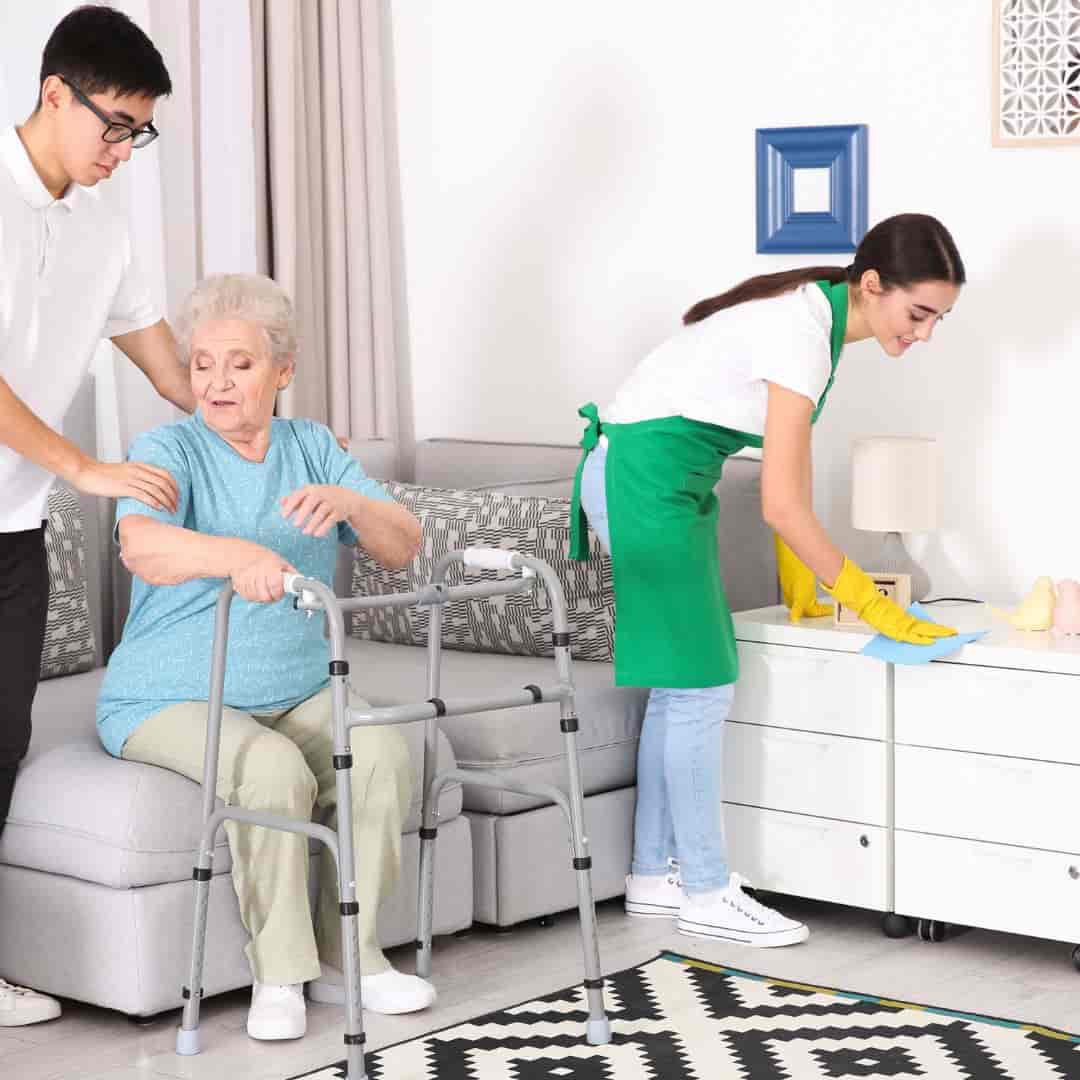
Support from caregivers is essential in making physical therapy successful. Here’s how to integrate it seamlessly into daily care routines:
Encourage Consistency: Regularity is key. Help your loved one stick to their therapy schedule, even on days when they might not feel like it. Consistency leads to better results. Even if your loved one is bedbound, there are some really good exercises seniors can do from the bed, for a healthier lifestyle.
Assist with Exercises: Be there to help with exercises, providing support and encouragement. Sometimes, a little company can make a big difference.
Keep Them Motivated: Motivation can wane, but keeping the sessions enjoyable and celebrating progress can boost their spirits. Remind them of the progress they’re making and the benefits they’re gaining.
Physical therapy at home for seniors isn’t just about exercises; it’s about enhancing their quality of life, maintaining independence, and ensuring they stay healthy and active. With these tips and exercises, you can help your loved one thrive right in the comfort of their own home.
If you need some more help with caring for your loved one, here are our best tips for family caregivers who’re actively caring for loved ones.
Final Thoughts
Physical therapy at home for seniors can truly transform lives.
It’s about making daily tasks easier, boosting confidence, and keeping our loved ones independent and safe. By creating a safe environment, incorporating effective exercises, and keeping the process fun and engaging, you’re setting up your loved one for success.
The right support and consistency can lead to incredible improvements. Let’s make every day a step towards better health and happiness for our seniors.
FAQ Section
How can I find reliable in-home physical therapy for seniors near me?
Start by asking your doctor for recommendations. Local health departments and community centers often have lists of reputable therapists. Also, agencies like Global One Home Care specialize in connecting you with qualified professional caregivers.
Is in-home physical therapy for seniors covered by Medicare?
Yes, Medicare often covers in-home physical therapy if a doctor prescribes it. Check your specific plan details, but many seniors can get the therapy they need without additional out-of-pocket costs.
What should I look for in a home physical therapist?
Look for a licensed therapist with experience working with seniors. They should be patient, empathetic, and able to tailor their approach to your loved one’s specific needs. Don’t hesitate to ask for references or reviews from other clients.
How often should my loved one do physical therapy at home?
The frequency of sessions can vary depending on individual needs, but typically, therapists recommend 2-3 times a week. Consistency is key, so try to stick to the schedule the therapist sets out.
What are some signs that my loved one needs physical therapy?
Look out for increased difficulty in performing daily activities, frequent falls or fear of falling, noticeable loss of strength or balance, and joint pain or stiffness. If you notice any of these signs, it might be time to consider physical therapy.

Dr. Ella Njike is the branch administrator for Global One Home Care, Boston, an agency that provides quality care for seniors and kids or adults with disabilities. With a Doctorate and extensive experience working in the healthcare industry, Dr Ella brings a unique understanding to the challenges families face. Through Global One Home Care Boston, he ensures that care extends beyond daily tasks, focuses on building genuine connections and respecting each family's journey.
Contact us Today for Your Free In Home Consultation
We aim to be an active partner in your care, not to take over. You are the CEO of your care, and we support you in managing it effectively.
Here are some features of our Global One Home Care
- 24/7 access to care
- Customized care plans
- Supervisory visits
- Caregiver introductions
- Nutritional planning
- Respite support
- Companionship
- Mobility assistance
- Durable Medical Equipment recommendations
- Errands and Shopping
- Fall Prevention
- ADLs