-
Talk to Our Care Planner

25 of The Most Fun & Creative Indoor Activities For Seniors

“Sitting indoors doesn’t mean life slows down”—far from it. It’s where some of the most engaging, stimulating, and downright enjoyable activities happen, especially for our seniors.
Over the years, we’ve seen how simple games, creative outlets, and even a little bit of technology can transform an ordinary day into something special.
We’ve organized book clubs that have sparked lively debates, set up art stations where the most beautiful paintings were born, and even held indoor bowling tournaments that were the talk of the week.
If you’re looking to enrich the lives of the seniors you care for, keep reading.
What follows is a collection of indoor activities for seniors that not only pass the time but bring joy, purpose, and connection into every day.
Key Takeaways
- Engagement matters: Indoor activities aren’t just fillers—they can be rich experiences that enhance well-being.
- Variety is key: From board games to painting, offering a range of activities caters to different interests and abilities.
- Social connections thrive indoors: Activities like book clubs or DIY craft fairs can build bonds and combat loneliness.
- Creativity and cognitive health: Arts, puzzles, and other brain-stimulating activities keep the mind sharp.
- Tailored experiences: The best activities match the senior’s interests, bringing them joy and a sense of accomplishment.
Classic Indoor Activities
The classics indoor games just never go away.
1. Board Games: Scrabble, Chess, Monopoly
These age-old board games are a gateway to fun, mental stimulation, and sometimes even nostalgia. Scrabble is excellent for keeping the brain’s language center active.
We’ve seen how it helps with word recall, which is particularly beneficial for seniors who might struggle with memory.
Chess, on the other hand, is all about strategy and patience—two skills that keep the mind sharp and focused.
Monopoly? Well, it’s not just about money management; it’s about the joy of competition, decision-making, and maybe a little friendly argument over who gets Boardwalk.
2. Card Games: Bridge, Poker, Rummy

Bridge is a game that requires sharp thinking and a good memory—traits that make it ideal for mental agility.
It’s also a fantastic social activity, with four players forming two partnerships, leading to plenty of banter and bonding.
Poker, with its strategic bluffing and probability, can be a real treat for those who enjoy a little risk.
Rummy, simple yet addictive, is all about patterns and sequences, great for cognitive exercise. It’s fun, it’s social, and it keeps the mind active.
3. Jigsaw Puzzles: From Simple to Complex Designs
Jigsaw puzzles are like a workout for the brain but without the sweat. Start with a simple 100-piece puzzle, and you’ll see how the sense of achievement builds confidence.
Gradually increase the complexity, and suddenly you’re looking at a few hours of focused problem-solving.
Puzzles also help with visual-spatial reasoning, which is crucial for maintaining mental sharpness as we age.
4. Reading and Book Clubs: Join or Form Virtual Book Clubs

Reading keeps the mind engaged and transports the reader to different worlds without ever leaving the house.
But book clubs take this to another level. It’s not just about reading; it’s about sharing thoughts, opinions, and sometimes even a bit of heated debate.
We’ve organized virtual book clubs where seniors can connect with others, discuss their favorite chapters, and even make new friends. It’s the perfect mix of mental stimulation and social interaction.
5, 6, 7. Crafting: Knitting, Crocheting, Quilting
Crafting isn’t just a way to pass the time—it’s an expression of creativity and individuality. Knitting and crocheting are rhythmic, almost meditative activities that produce beautiful, tangible results.
Quilting, on the other hand, combines patience, creativity, and storytelling, as many quilters use their work to commemorate special events or memories.
We’ve seen firsthand how these activities can bring a sense of purpose and fulfillment, especially when a finished piece is admired by others or given as a gift.
I know that these activities are a lot of fun. But you’re still feeling trapped caring for your aging loved one, here’s a couple tips you can use to regain your freedom.
Creative and Artistic Pursuits
We provide caregivers for some of the most vibrant seniors in the city of Boston, and we do not do basics.
So, if you’re like us, these are some of the most creative and artistic indoor activities for seniors that you can try out.
8. Painting and Drawing: New Techniques, Join Online Classes
Art has this magical way of opening up a whole new world of expression.
It doesn’t really matter if it’s a simple watercolor or an intricate oil painting; the act of creating something beautiful is incredibly fulfilling.
We’ve helped seniors explore new techniques through online classes, where they can learn at their own pace and discover hidden talents.
Painting and drawing don’t just pass the time—they enrich it, allowing seniors to communicate emotions and ideas that words sometimes can’t capture.
9. Photography: Experiment with Digital Photography
Photography goes well beyond capturing moments. You’re letting seniors see the world through a different lens—literally.
We’ve had our caregivers introduce seniors to the basics of digital photography.
Seniors actually learn stuff, like framing a shot, or the joys of photo editing.
It’s a wonderful way to document everyday life or explore new creative projects. Plus, with today’s technology, even a smartphone camera can be the gateway to a fulfilling hobby.
10. DIY Craft Fair: Create and Showcase Handmade Crafts
There’s something incredibly rewarding about making something with your hands, and it’s even better when you get to share it with others.
Organize small-scale DIY craft fairs where seniors can display their work, whether it’s handmade jewelry, knitted items, or even simple home décor.
These fairs bring a lot of pride for seniors that comes with showing off what you’ve made and the joy of seeing others appreciate your work.
11. Origami: Advanced Paper Folding Projects
Origami is one of those activities that’s as challenging as it is rewarding. The precision required for advanced paper folding helps improve fine motor skills and concentration.
We’ve seen how seniors can get lost in the focus required to create intricate designs, from cranes to flowers.
It’s a peaceful, almost meditative activity that yields beautiful results—perfect for those who enjoy a quiet, focused hobby.
12. Scrapbooking: Preserve Memories with a Personal Touch

Scrapbooking combines creativity with memory preservation, making it a deeply personal and meaningful activity.
Work with your elderly loved ones to create scrapbooks filled with photos, mementos, and personal notes that capture their life stories.
You’re letting your loved celebrate the past while creating something tangible that can be passed down through generations.
Physical and Wellness Activities
We love physical activity, which is why we recommend in-home physical therapy to all of our seniors.
We’ve curated some really fun activities for seniors that also keep em fit. Try these…
13. Tai Chi: Practice for Balance and Relaxation
Tai Chi is an ancient Chinese practice that’s become a favorite among seniors, and for good reason.
Sure, there’s lots of slow movements and deep breathing—but it’s also a practice that brings together the body and mind in a way that promotes overall wellness.
Tai Chi has been shown to improve balance, flexibility, and strength, which are critical as we age.
According to a study published in The Journal of Gerontology, Tai Chi can significantly reduce the risk of falls among older adults by improving balance and muscle strength.
What’s great about Tai Chi is its adaptability. It can be done standing or sitting, making it accessible to everyone, regardless of physical ability.
We’ve seen seniors who were initially hesitant because they thought it was too complex, only to find it’s one of their favorite activities once they got started.
The calm, flowing movements create a meditative state that helps reduce stress and anxiety.
In our experience, Tai Chi sessions often become a highlight of the day for those who participate. They enjoy the physical benefits but also a sense of peace and accomplishment.
14. Chair Exercises: Low-Impact Fitness
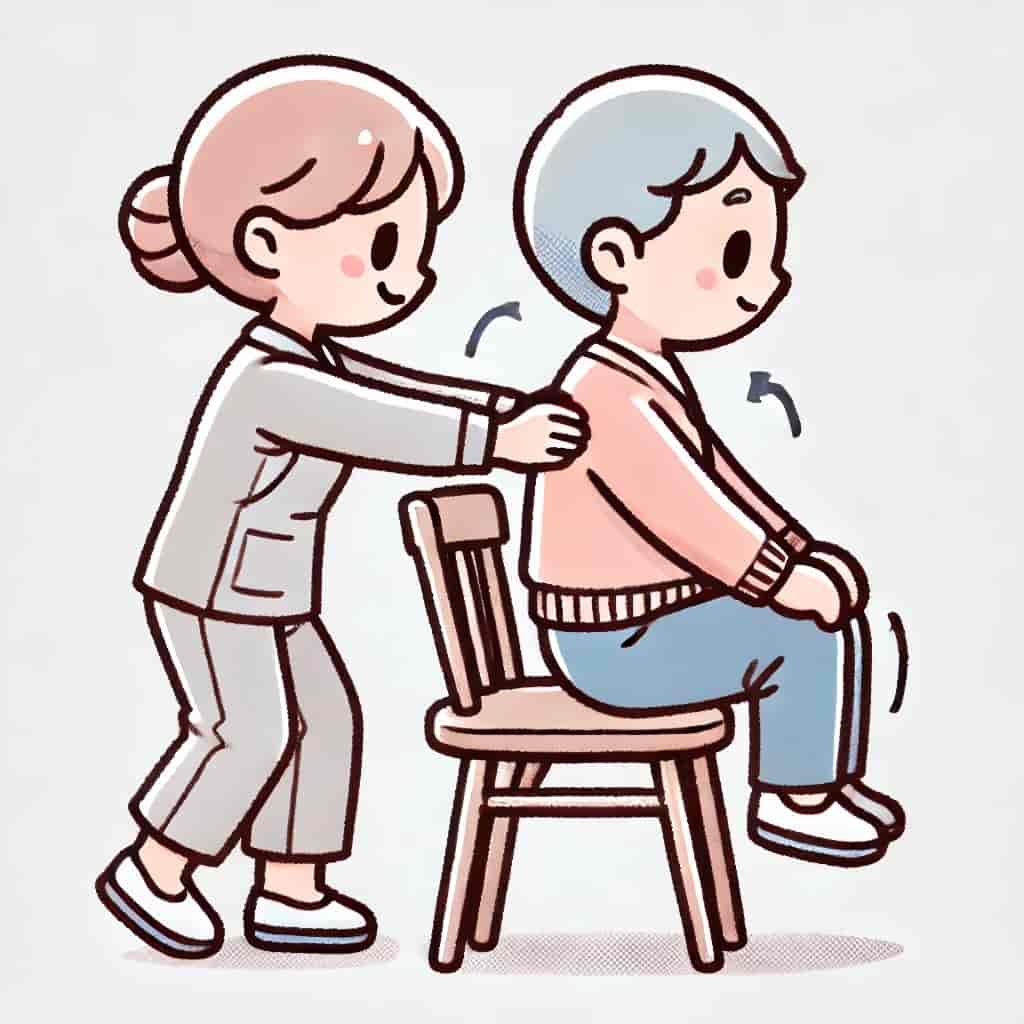
Not everyone has the mobility or desire to engage in high-energy workouts, and that’s perfectly fine. Chair (and bed) exercises for seniors are a fantastic way to stay active without leaving the comfort of your seat.
These exercises focus on strength, flexibility, and even cardiovascular health, all while reducing the risk of injury.
For example, seated leg lifts can strengthen the lower body, while arm exercises with light weights can improve upper body strength.
We’ve seen how chair exercises can empower seniors who might feel limited by their physical abilities. Even small, consistent movements can make a significant difference.
Research shows that regular participation in chair-based exercise can improve overall physical function and quality of life for older adults.
We often encourage pairing chair exercises with music to make the sessions more enjoyable—because who doesn’t love moving to a good beat?
15. Indoor Gardening: Terrariums, Hydroponics

Bringing a bit of nature indoors can have wonderful effects on mental and emotional well-being.
Indoor gardening, whether through creating terrariums or experimenting with hydroponics, offers a hands-on activity that’s both calming and productive.
Terrariums are like little worlds of their own—miniature ecosystems that are easy to create and maintain.
They’re great for seniors who enjoy creativity and working with their hands but might not have the energy or space for traditional gardening.
Hydroponics takes indoor gardening to the next level, allowing plants to grow without soil.
It’s a fascinating process that involves growing plants in water with added nutrients. Which is perfect if you’re caring for seniors who’re interested in science and innovation.
And it’s actually proven by research that engaging with plants can reduce stress, lower blood pressure, and improve overall mood.
We’ve seen how even the smallest gardening project can bring immense joy and a sense of achievement, especially when the results are tangible—like fresh herbs for cooking.
16. Dance Parties: Solo or with Friends
There’s something about music that just makes you want to move, and dance parties are a fun way to get some exercise without even thinking about it.
Dancing is a full-body workout that can improve cardiovascular health, increase flexibility, and boost mood. It doesn’t matter if you’re doing the cha-cha or just swaying to your favorite tunes—the key is to keep moving.
We’ve organized many impromptu dance sessions, and they always bring smiles, laughter, and sometimes a bit of friendly competition. It’s not just about the physical benefits; it’s the social interaction that comes with it.
Studies show that dance, as a physical activity, can also enhance cognitive performance and improve mental health in older adults.
Guide your seniors on a solo groove in the living room or a group session in the common area. Dance is a joyful and effective way to stay fit.
Accompany your dance sessions with these leg exercises ideal for seniors.
17. Indoor Bowling: Set Up a Mini Bowling Alley at Home
You don’t need to head out to the bowling alley to enjoy a game of bowling. With a soft bowling set, you can turn your living room into a mini-bowling lane.
This activity is great for coordination, balance, and social interaction, all while being easy on the joints. It’s an excellent low-impact exercise that can be enjoyed by individuals of all abilities.
In our experience, indoor bowling quickly becomes a beloved pastime, especially because it’s so accessible.
There’s no need for specialized equipment—just a little space and a few pins and balls. It’s also a fun way to encourage a bit of friendly competition.
Plus, setting up and organizing the game itself can be a collaborative activity that brings everyone together.
Technological and Innovative Activities
We get it, maybe we’re trying to move away from technology and not get our elderly loved ones hooked to the screen.
But some of these indoor technology activities can bring so much fun and excitement, and if done only sparingly, there’s really nothing to worry about.
18. Virtual Reality (VR) Tours: Explore the World from Home

Virtual reality (VR) isn’t just for the younger crowd. It’s an incredible tool that allows seniors to experience places they may never physically visit.
Imagine walking through the Louvre, exploring the Great Wall of China, or even taking a stroll through a familiar hometown—all from the comfort of home.
VR tours offer a level of immersion that’s almost as good as being there, stimulating the senses and sparking the imagination.
We’ve found that seniors are often amazed at the technology, initially hesitant but quickly enthralled.
A few studies like this one have shown that VR can have positive effects on mental well-being, particularly in reducing feelings of loneliness and depression.
It’s a fantastic way to engage the mind, stimulate memories, and provide an escape, especially for those with limited mobility.
We always recommend starting with a guided tour, as the immersive experience can be overwhelming at first, but once they’re comfortable, the possibilities are endless.
As with all technology, be careful not to overdo it.
19. Online Courses: Learn Anything from Cooking to Coding
Learning doesn’t stop with age, and online courses make it easier than ever to pick up a new skill or hobby. Whether it’s cooking, history, or even coding, there’s an online course for everything.
We’ve seen seniors thrive when they engage in lifelong learning—it keeps the mind active and offers a sense of achievement. Platforms like Coursera, Udemy, and edX offer courses that cater to all levels, many of them free or at a very low cost.
Research supports the cognitive benefits of lifelong learning. Engaging in new and challenging activities can help maintain cognitive function and delay the onset of dementia.
We’ve had participants who started with something simple, like learning to bake bread, and ended up diving deep into topics they never thought they’d explore, like digital photography or even basic programming.
The sense of accomplishment and the joy of mastering something new are always a sight to see.
20. Social Media: Fun with Friends and Family Online

Social media isn’t just for sharing cat videos and vacation photos—it’s a lifeline for many seniors to stay connected with family and friends.
Platforms like Facebook, Instagram, and even WhatsApp allow seniors to share moments, keep up with loved ones, and engage with communities. It’s an excellent way to combat loneliness, especially for those who may feel isolated.
You can help your seniors navigate the sometimes-confusing world of social media, and the results can be heartwarming.
Being able to see their grandchildren’s latest photos or participate in a video call has a profound impact on their emotional well-being.
You can set up a simple, easy-to-navigate profile and encouraging regular, but manageable, interaction.
21. Podcast Listening: Stay Informed and Entertained
Podcasts have quietly become one of the most accessible and enjoyable ways for seniors to stay informed, entertained, and connected to the world around them.
With a simple click on Spotify or Apple Podcasts, they can get into a vast pool of topics—anything from history, science, and health, to storytelling, true crime, and even niche hobbies.
What makes podcasts particularly appealing is that they don’t require the same level of engagement as reading or watching TV. Your seniors can listen while cooking, relaxing, or even while lying in bed.
We’ve noticed that once seniors get into the rhythm of podcast listening, it often becomes a regular part of their routine. With a bit of help, seniors can always find something that resonates with them.
22. Blogging: Share Experiences and Thoughts with the World

We’ve seen how transformative blogging can be. Seniors who might have felt isolated or irrelevant found renewed purpose in sharing their stories through blogging.
You can handle all the little technical details for them.
Blogging might seem like a modern activity reserved for younger generations, but it’s actually a fantastic way for seniors to share their wealth of knowledge, experiences, and perspectives.
Blogging provides an outlet for self-expression, and it’s an opportunity to leave a legacy, a written record of thoughts, stories, and advice that can be passed down to future generations.
Writing and reflecting on life experiences is also a cognitive exercise.
Even better, blogging doesn’t require fancy tools or deep technical know-how.
Cognitive and Skill-Building Activities
Studies have shown that regularly participating in mentally stimulating activities like puzzles and quizzes can significantly lower the risk of dementia.
23. Brain Teasers and Trivia: Keep the Mind Sharp with Challenges
Brain teasers and trivia are more than just a way to pass the time—they’re crucial tools for keeping the mind sharp.
Engaging in activities that challenge the brain helps maintain cognitive function, which is essential as we age.
You can incorporate these activities into your senior’s daily routine, and the results are always going to be positive. Challenges like crossword puzzles and Sudoku keep the mind agile.
Trivia games, especially when played in groups, add a social component that’s just as important.
We often see how a simple game of trivia can spark lively debates, reminiscences about the past, and even friendly competition, all of which contribute to a healthy, engaged mind.
24. Learn a New Language with Online Resources

Learning a new language might seem like a daunting thing for an elderly loved one, but it’s actually one of the best ways to keep the brain active.
The process of learning new vocabulary, grammar, and pronunciation engages multiple areas of the brain, promoting cognitive resilience.
Bilingualism, or even just the process of learning a second language, can delay the onset of Alzheimer’s symptoms and other forms of dementia.
We’ve seen seniors thrive in language classes, whether they’re picking up Spanish, French, or even something more challenging like Mandarin.
Language learning apps like Duolingo or Babbel make this accessible, allowing for practice at any time.
Plus, it’s about the cultural exploration that comes with it. Many seniors find joy in learning about new customs, foods, and traditions, making this a rich, multifaceted activity.
25. Model Trains: A Rewarding Hobby
Model trains are not just regular toys as one may thing, they’re a hobby that requires patience, attention to detail, and a deep understanding of mechanics and design.
Building and maintaining a model train set is a rewarding challenge that stimulates the mind while also allowing for creativity. It’s a hands-on activity that combines engineering, artistry, and history.
We’ve worked with seniors who have turned their homes into miniature railways, complete with intricate landscapes, buildings, and even tiny people.
The level of detail involved can be astounding, and the process itself is highly therapeutic.
Engaging in complex hobbies like model railroading can help reduce stress, improve mood, and enhance overall mental well-being.
Model trains also provide a social outlet. Many cities have model train clubs where enthusiasts gather to share tips, show off their latest projects, and collaborate on large-scale layouts.
Another layer of enjoyment, making it a hobby that’s as mentally stimulating as it is socially fulfilling.
26. Genealogy Projects: Trace and Document Family History

Tracing family history is a journey into the past that’s both fascinating and deeply personal. Genealogy projects involve researching family trees, collecting stories, and even discovering long-lost relatives.
It’s an activity that combines historical research with personal reflection, offering a profound sense of connection to one’s roots.
We’ve seen the impact of genealogy projects on seniors—they’re often surprised by the discoveries they make, whether it’s a previously unknown family connection or a deeper understanding of their heritage.
Tools like Ancestry.com or local archives make this research accessible, allowing for a thorough exploration of history.
If you’re also looking for some incredible outdoor activities to do with your senior, check out our list of 14 uncommon outdoor activities for the elderly.
Conclusion
After all this talk about indoor activities for seniors, one thing’s clear: keeping life interesting doesn’t stop at any age.
Keep your elderly loved ones engaged, learning new things, and connecting with others in ways that matter.
And if you ever feel like you or your loved one could use a little help along the way, that’s exactly what we’re here for—making life easier, and a whole lot more fun.
If you’re open to a little help, contact us today and we’ll help you find a trained, vetted and compassionate caregiver to meet all your care needs.

Dr. Ella Njike is the branch administrator for Global One Home Care, Boston, an agency that provides quality care for seniors and kids or adults with disabilities. With a Doctorate and extensive experience working in the healthcare industry, Dr Ella brings a unique understanding to the challenges families face. Through Global One Home Care Boston, he ensures that care extends beyond daily tasks, focuses on building genuine connections and respecting each family's journey.
Contact us Today for Your Free In Home Consultation
We aim to be an active partner in your care, not to take over. You are the CEO of your care, and we support you in managing it effectively.
Here are some features of our Global One Home Care
- 24/7 access to care
- Customized care plans
- Supervisory visits
- Caregiver introductions
- Nutritional planning
- Respite support
- Companionship
- Mobility assistance
- Durable Medical Equipment recommendations
- Errands and Shopping
- Fall Prevention
- ADLs