-
Talk to Our Care Planner

Top 10 Home Care Services AI Tech 2025: Tools for Independent Living
Everyday technology is getting smarter and helping seniors live safely at home.
If you’re looking to integrate AI tech into your home care routine as a family caregiver or home care agency, we’ve researched some of the most transformative AI-powered home care services and products.
Below is a list of top 10 home care services AI tech and products that are defining the future of home health care in the US.
Each piece of technology is currently available on the U.S. market, with approximate costs noted where possible.

1. Voice Assistant Smart Speakers (Amazon Alexa & Google Home)
These are like friendly helpers that you can talk to in your house. For example, Amazon Alexa or Google Assistant can remind an older person to take medicine or go to a doctor appointment.
You just say, “Alexa, remind me to take my pill at 8 AM,” and it will talk to you at that time. If you need help, you can also tell it to call family or even 911 (Alexa has a special Alexa Together service that can call an emergency helpline).
The voice assistant can play music, tell jokes, answer questions, and even control lights or thermostats so you don’t have to get up.
Costs: A basic Echo Dot speaker is about $40, and Alexa’s normal features are free to use[4]. (The optional Alexa Together caregiver service is ~$20 per month.)
2. Smart Home Monitoring Sensors
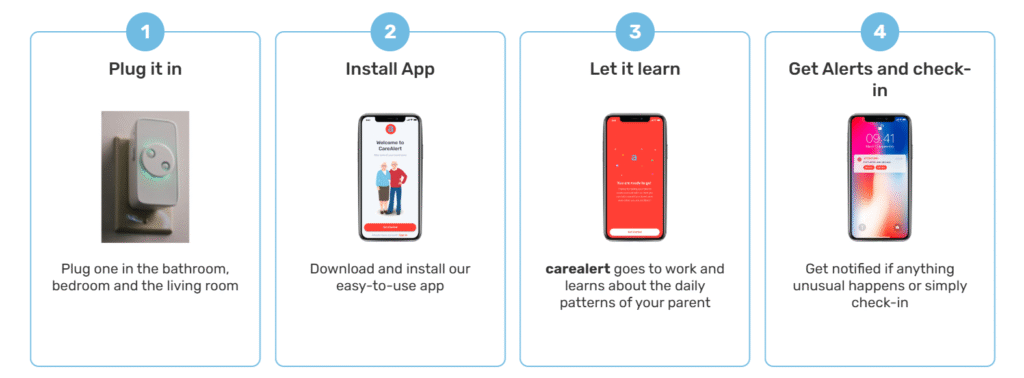
These are small gadgets that keep an eye on the house to make sure an older person is okay. One example is CareAlert by SensorsCall, a device that plugs into a wall like a nightlight.
It has AI sensors (no cameras needed) that notice daily activity within a daily safety routine. If it senses something unusual – like if Grandma hasn’t moved for a long time or the house is very cold or hot – it will send an alert to family members on their phone.
It can even detect patterns that might mean a fall or if the person became immobile, and then instantly let caregivers know. These alerts are particularly critical when a parent can’t walk anymore, and mobility risks start to increase sharply.
This kind of smart monitor helps seniors stay independent without wearing an alarm button or being watched by a camera.
Costs: The CareAlert device sells for around $159 with no monthly fee (making it a one-time purchase for peace of mind).
3. AI-Powered Fall Detection Systems (Non-wearable):
Falls are a big danger for seniors, so some smart systems can automatically detect a fall and call for help. Unlike old push-button alarms, these use AI to know when a real fall happens.
For instance, there are camera-based systems (like SafelyYou) and even smart lamps (the Nobi lamp) that look for the motion of a person falling.
There are also radar and floor sensors (like Vayyar Home/Walabot) that can sense a fall through walls or floors. The AI makes them more accurate by telling apart a fall from just sitting down quickly.
The moment a fall is detected, the system sends an alert or calls emergency services so help can come fast. These tools work without the person doing anything – if grandpa slips, the AI automatically knows and acts.
This goes without saying, no technology fully replaces human presence, so many families still turn to 24-hour fall prevention strategy for added safety and protection.
Costs: These systems can be pricey; for example, the Nobi smart lamp system (for all-room coverage) costs a few thousand dollars. However, simpler setups like a single Walabot Home sensor are a few hundred dollars.
It’s an investment for safety, often used by families or senior homes.
4. Wearable Safety Devices (Smartwatches & Pendants)

Many seniors today wear a smart watch or neck pendant that can detect falls and call for help. These use built-in motion sensors and AI algorithms to sense a sudden drop or impact.
For example, the Apple Watch has a fall detection feature – if it feels you hit the ground and you don’t move, it will pop up a message and then call 911 and your emergency contacts automatically.
There are also dedicated medical alert pendants (like Philips Lifeline with AutoAlert or the SkyAngelCare pendant) that do the same thing. The person doesn’t need to press anything; the wearable itself knows if you fell.
These devices often also track health signs like heart rate, steps, or sleep, so they give family and doctors helpful info about the senior’s well-being.
Some caregivers combine these wearables with core exercises from a chair to encourage light daily movement in frail seniors.
Costs: A mainstream smartwatch like Apple Watch can cost $250-$400 upfront (no monthly fee). Traditional pendant alerts often have no big upfront cost but charge a monthly fee (usually $20-$50) for the 24/7 emergency call service.
It’s a trade-off between a one-time gadget or an ongoing service.
5. Virtual Nurse Assistants (AI Health Chatbots)
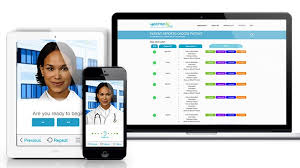
These are like a nurse that lives in your phone or computer. They aren’t human, but they use AI to chat and check on the person’s health. For instance, a virtual nurse app might pop up each day and ask “How are you feeling today?
Did you take your blood pressure?” The AI can understand the senior’s answers and even use connected devices (like a blood pressure cuff or glucose monitor) to get vital signs. One example is Molly from Sensely – she’s an animated nurse avatar who talks to patients, asks health questions, and gives friendly advice.
If something seems wrong (say the blood pressure is too high or the person says “I feel dizzy”), the virtual nurse will alert a real nurse or family member immediately.
These assistants can also remind people to take medications or do exercises, and answer basic health questions (“What was my last sugar reading?”).
For seniors with cognitive decline, pairing virtual assistants with care routines for dementia patients can greatly reduce confusion and anxiety.
Costs: Many virtual nurse apps are free or included through healthcare providers. Some specialized ones might be part of a subscription health service, but generally the person using it doesn’t pay out-of-pocket, or it’s covered by insurance/care programs.
6. AI Companion Robots for Seniors:
Imagine a cute little robot friend that talks to you – that’s what these companions are. They sit on a table and have a friendly personality. A leading example is ElliQ, a small robot with a smart speaker head and tablet body.
ElliQ can have conversations – it will proactively say “Good morning! How did you sleep?” and engage the senior in chat, not just react to commands. It provides companionship to reduce loneliness, which is great for someone living alone.
ElliQ also does daily check-ins and wellness activities: it might suggest doing a breathing exercise, tell a joke, or remind the user to take a walk. It can connect to family too – for instance, through the attached screen it enables video calls or shows messages/photos from loved ones.
While no robot can replace human connection, they’re a powerful tool for combating loneliness in dementia care, especially between visits.
The AI in these robots learns the person’s preferences and can personalize conversations over time (ElliQ might remember your favorite color or hobby and bring it up later). Costs: Companion robots are subscription-based.
ElliQ, for example, requires a one-time setup of about $250, then about $30-$40 per month for the service. It’s more expensive than a basic Alexa, but it’s more proactive and engaging.
(Note: These robots are not emergency devices – ElliQ cannot call 911 on its own, so it’s meant to add to care, not replace medical alert systems.)
7. Smart Medication Dispensers & Reminders

It’s easy to forget pills, so AI is helping with medication management. There are smart pill dispensers like Hero, MedMinder, or Pria that automatically sort and dispense pills at the right times.
Think of a little machine where you load all the pills for the week or month – when it’s time for a dose, the machine lights up and beeps, and out comes the cup with the exact pills. If Grandma misses a dose, it sends an alert to a caregiver’s phone (“Grandma didn’t take her 8 PM pills”) so someone can check on her.
These devices often connect to apps, so you can adjust schedules or see if doses were skipped from anywhere. Besides hardware, there are also smartphone apps (like Medisafe) that act like a personal pill coach: they pop up notifications and even use a chatbot to nag nicely about taking your meds on time.
Some can notify a family member if you keep missing a dose. This prevents medication errors that could be dangerous.
Costs: A device like Hero usually has an upfront or monthly cost. For example, Hero charges ~$99 upfront and $29.99 per month for the service.
Simpler pill reminder apps on your phone are often free or a few dollars, but they rely on the honor system (the person needs to respond on the phone). The automatic dispensers with AI are pricier, but they add safety by physically controlling and tracking the meds.
This may seem old school, but these smart systems still pair well with manual caregiving tools like a caregiver checklist for helping seniors stick to their medication plans.
8. Remote Health Monitoring Gadgets
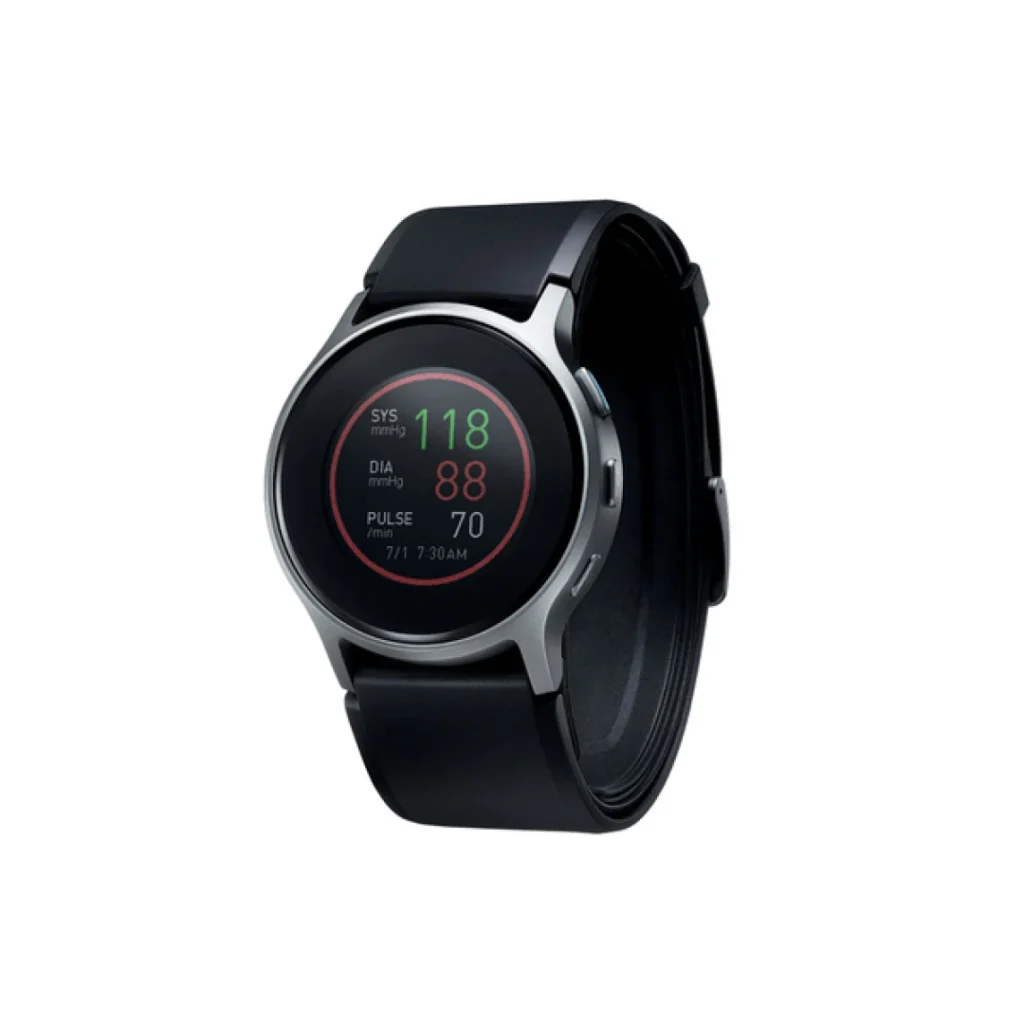
These tools use AI to help doctors and families keep an eye on a senior’s health from afar. They include high-tech versions of common health devices that can send readings over the internet and sometimes analyze them.
For instance, the Omron HeartGuide is a wearable blood pressure monitor that looks like a wristwatch – it takes your blood pressure and then sends the numbers to an app or your caregiver automatically.
Another example is KardiaMobile, a tiny device that lets you take an EKG (heart rhythm test) at home; it uses AI to detect if your heartbeat looks unsafe or irregular. Diabetic seniors might use a Continuous Glucose Monitor (CGM), a sensor on the body that constantly tracks blood sugar and alerts if it goes too high or low.
All these devices create a stream of data. AI can watch the data for worrying signs – like if blood pressure is creeping up each day or if the heart rhythm shows afib – and warn the patient and doctor early.
This means fewer surprise hospital visits because problems can be caught sooner.
Costs: Many remote monitoring devices are covered by health insurance or Medicare if prescribed (for example, CGMs for diabetics).
If bought out-of-pocket, prices vary: a KardiaMobile is around $99 (plus an app subscription for advanced AI analysis), a fancy BP watch might be a few hundred dollars, etc. The value is avoiding emergencies by staying on top of health at home.
9. Smart Mobility Aids (AI-Powered Canes & Wheelchairs)

AI is even built into devices that help seniors move around. One cool example is the CAN Go smart cane (named one of Time’s best inventions). It looks like a regular cane, but it has hidden tech that can detect if the user falls and will automatically contact a caregiver or loved one for help.
The cane has built-in cellular service and GPS, so it can call out even without a phone and tell family where the person fell. It also has a speaker and microphone, so it can let the senior talk to the helper through the cane if needed.
Besides fall alerts, this AI cane also tracks activity (how much the person walks) and has a flashlight for safety at night. Beyond canes, there are smart wheelchairs now that use sensors to avoid obstacles and drops.
For example, some power wheelchairs can be fitted with an AI system (like the LUCI add-on) that will stop the chair from driving off a curb or bumping into walls. This prevents accidents for people who have difficulty steering or seeing obstacles.
There are even robotic exoskeletons that help people with very limited mobility to stand and walk, using AI to balance – though those are mostly used in rehab clinics right now. Costs: Smart mobility devices range widely.
The CAN Go smart cane isn’t on general sale yet (price TBA), but similar high-end canes could be a few hundred dollars.
Smart wheelchairs or retrofit kits can cost a couple thousand dollars. These are expensive, but they greatly enhance safety and independence, which is priceless if they prevent a serious injury.
It’s worth noting that even safe mobility options at home, like shoes designed for balance issues, can prevent falls before tech even kicks in.
10. AI Caregiving Apps & Platforms

These are software tools (usually phone or web apps) that help coordinate care for someone who needs assistance. Think of it like a digital command center for caregiving.
For example, apps like CarePredict or Homethrive use AI to combine lots of caregiving tasks in one place. They can keep track of a senior’s appointments, medications, and daily routine, and they learn what’s “normal” for that person.
If something changes – say Dad usually makes coffee every morning but the sensor data shows he didn’t today – the app might alert you that he deviated from his routine. These platforms also let family members and hired caregivers share updates.
One caregiver can log “Mrs. Smith ate a small lunch at 1 PM” and others will see that update. The AI can analyze patterns and might suggest “It’s been 3 days since a full meal, maybe check if she feels sick.”
Some platforms even include a chatbot assistant (like a virtual care coach) that family can ask questions, e.g. “What’s a good exercise for Mom’s arthritis?” and it will provide tips. The goal is to reduce the stress on human caregivers by automating scheduling, reminders, and giving quick health insights.
Costs: These services are often provided through senior care agencies, insurance, or employee benefits.
For individuals, some apps are free to use for basic features, but a full AI caregiving platform might be subscription-based (for example, a few have plans around $20-$30 per month for premium monitoring). It’s often worth it when multiple family members are coordinating care, as everyone stays in the loop easily.
Each of these AI-powered tools makes aging at home safer and easier. From talking speakers that turn on your lights, to watches that call 911 if you fall, technology is acting like a helpful roommate or assistant for seniors.
The great thing is that all these products are available now, not just prototypes. By choosing the right tools (many can even work together), older adults can feel more secure and connected – and their families get more peace of mind too.
Each solution has a cost, but they can be far cheaper than full-time care and can enrich a senior’s life with greater independence and confidence.

Dr. Ella Njike is the branch administrator for Global One Home Care, Boston, an agency that provides quality care for seniors and kids or adults with disabilities. With a Doctorate and extensive experience working in the healthcare industry, Dr Ella brings a unique understanding to the challenges families face. Through Global One Home Care Boston, he ensures that care extends beyond daily tasks, focuses on building genuine connections and respecting each family's journey.
Contact us Today for Your Free In Home Consultation
We aim to be an active partner in your care, not to take over. You are the CEO of your care, and we support you in managing it effectively.
Here are some features of our Global One Home Care
- 24/7 access to care
- Customized care plans
- Supervisory visits
- Caregiver introductions
- Nutritional planning
- Respite support
- Companionship
- Mobility assistance
- Durable Medical Equipment recommendations
- Errands and Shopping
- Fall Prevention
- ADLs