-
Talk to Our Care Planner


Managing your parent or grandparents’ medication can feel a lot like putting together a puzzle with pieces that keep changing shape.
Just when you think you’ve got their medication routine down, something shifts, a new prescription, a skipped dose, or a little bit of confusion on their part.
And when it comes to medication, consistency is everything. That’s why a good, solid medication reminder system is absolutely essential.
I’ve learned over the years as a caregiver here in Boston that medication management doesn’t have to be very daunting, especially if you have a few trusty tools and some practical strategies in place.
Here’s my go-to guide to setting up medication reminders for your loved one.
If you’re currently feeling a little trapped caring for an elderly parent, this guide could change everything.
I’ll walk you through my toolkit, the strategies I use, and a step-by-step system I’ve found that works for most families.
Good Tools for Medication Reminders for the Elderly
You really don’t need any fancy tools to start out, especially if you’re just trying to care for your elderly parent at home.
Good tools for medication reminders are a must for your caring for aging parents’ checklist.
The goal is to make it simple. You want a system that works like clockwork, something even the most forgetful of us would remember.
Here’s what I like to keep on hand:
1. Pill Boxes – Tried and True

I’ll be honest—pill boxes are one of my favorite things in the world. They’re a bit more than regular weekly organizers; now they come color-coded, with sections for morning, noon, evening, and bedtime.
Just line those little boxes up on the counter, each one ready with exactly what’s needed for each day.
If your loved one struggles with opening small things, look for boxes with easy-to-grip lids or ones that pop open with a slight push.
Pill boxes keep everything in one place, so you’re not hunting down meds in every drawer and cupboard.
2. Simple Alarms – Set it and Forget It
An alarm can be a lifesaver—plain and simple. I often use a small digital clock or a kitchen timer, something that rings loud enough to hear across the room.
Set it for med time, and it does the rest. For some folks, the phone’s built-in alarm works just as well.
Just make sure it’s easy to turn off, or you’ll drive them nuts when it rings every day. And here’s a little tip: try to keep the sound consistent.
Don’t switch it up each day, or they might start ignoring it altogether.
3. Medication Reminder Apps – For the Tech-Savvy Among Us
Now, if your loved one is comfortable with a smartphone, apps like Medisafe or CareZone can be incredibly handy.

These apps do everything from setting reminders to tracking missed doses, and you can even set up notifications that come straight to you if they skip a dose.
The nice thing about apps is that they’re super customizable—you can adjust times, add multiple meds, and get reminders in a friendly tone.
Speaking of tools, we’ve put together a list of tools you can use very easily to combat any sleep issues and enhance the quality of sleep for your seniors.
Strategies To Keep Medication Reminders Simple and Effective
Tools are great, but you need a bit of strategy to make it all work smoothly. Here’s what I’ve learned on the job that you might find helpful:
1. Anchor Meds to Daily Routines
The best way to remember something is to tie it to something else you’re already doing. I always recommend linking medication times with daily routines.

About morning meds, you set them up to be taken right after breakfast. As for evening pills, you should pair them with the nightly news or a cozy cup of tea.
This way, the reminders don’t feel out of place—they’re just part of the rhythm of the day.
2. Set Up a Med Station in a High-Traffic Area
I’ve learned the hard way that if meds are tucked away in a cabinet, they’ll likely stay there. Create a little “medication station” somewhere visible but out of the way of curious little hands or visitors.
This can be as simple as a small tray on the kitchen counter with the pill box, a glass of water, and maybe a note or picture that gently says, “Remember your meds.”
3. Visual Reminders and Sticky Notes
I can’t tell you how many times a well-placed sticky note has saved the day. Use bright-colored sticky notes as visual cues and put them where they’ll be noticed.
Fridge doors, mirrors, or even by the TV remote—anywhere your loved one spends time.
Simple phrases work best: “Time for your 10 a.m. pill” or “Take 1 pill with lunch.” It sounds old-school, but it’s often more effective than you’d think.
Need help finding a caregiver for your Loved One?

Find My Caregiver Today
Setting Up a Medication Reminder System that Works: Step-by-Step Guide
Now let’s get into the nitty-gritty of putting a system together, step by step.
Step 1: Gather Everything
First things first: take a few minutes to gather all the medications in one spot.
Check each bottle, write down the doses, and double-check the times with the doctor’s instructions. This is your “master list.”
Mind you, a little organization now will save you endless confusion later.
Step 2: Choose Your Reminder Method and Set It Up
Pick a tool that feels comfortable, whether it’s a pill box, an app, or an alarm. Start simple. Set the pill box up for the week or schedule the alarms for each dose.
Test each alarm once to make sure it’s loud enough and easy to hear.
If you’re using an app, program all the details in one go—timing, doses, and whether you need notifications.
Step 3: Make it Easy to Follow
Once it’s all set up, try a practice run to see if everything flows smoothly. I often ask my clients to walk me through the process to make sure it’s not too complicated.
This gives them confidence, and it lets me see if any parts of the system need adjusting.
Step 4: Give it Time, and Adjust as Needed
The first week or two is always a little bumpy. Medication routines are like anything else; they need time to settle in.
Check in regularly to see if any alarms are confusing or if the pill box layout isn’t working. Adjust as you go and be patient.
Common Challenges with Medication Reminders (and How to Tackle Them)
No system is perfect, and you’re bound to hit a few bumps. Here’s a heads-up on what I see most often and how to tackle it.
1. Forgetting Meds Despite Reminders
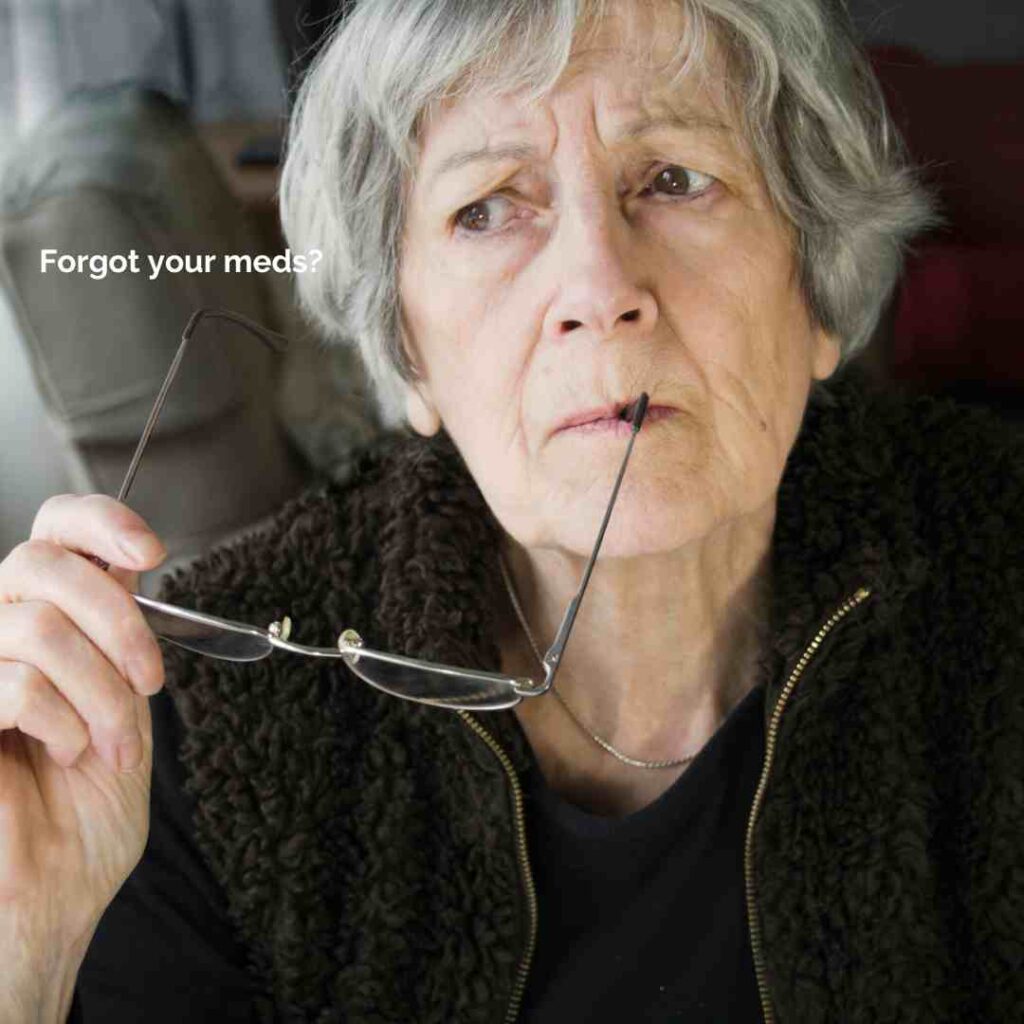
If the alarm isn’t doing the trick, try changing the reminder to a different sound or adding a visual cue.
Sometimes it takes a combination of tools—a pill box AND an alarm—to really make it stick.
If your loved one keeps forgetting, a quick daily check-in call can help reinforce the habit.
2. Confusion with Multiple Medications
If there’s more than one medication involved, try labeling each slot in the pill box or using different colors for each pill.
I sometimes use colored dots on the pill bottles to help identify them: red for morning, blue for evening. Simple, clear labels are lifesavers.
3. Handling New Prescriptions and Dose Adjustments
With new medications, things can get tricky. Make sure the new dose is added to the master list and update any reminders.
If you’re worried about mixing things up, don’t hesitate to ask the pharmacist to clarify any instructions. They’re often more than happy to help.
- Pro tip: At some point, it’s totally okay if you want to hire a professional caregiver to take care of all this. Our guide shows you how to get it right, with 10 simple questions to ask during the caregiver interview.
Helpful Tips to Make Medication Reminders Stick Long-Term
Once you’ve got the basics down, there are a few extra touches that can help your loved one stick with the routine:
1. Get Them Involved
The more you involve them, the better it works. You want to carefully explain the importance of each medication (in simple terms) and involve them in setting the routine.
If they understand why they’re taking the meds, they’re more likely to stick with it.
2. Have a Backup Plan
Life happens. Batteries die, alarms get missed, and pills get spilled.
Have a backup reminder, like a family member or friend who can pop in or call to check that meds were taken. You’ll need this backup plan for your own peace of mind.
3. Celebrate the Small Wins

Medication routines as part of the senior’s daily routine can feel like a grind, so celebrate when things go well.
Maybe it’s just a simple “Well done!” when they’ve had a good week with no missed doses. A little positivity goes a long way.
Final Thoughts: A Solid Medication System Gives Peace of Mind
In the end, the goal here isn’t just to check a box.
It’s to create a medication routine that becomes second nature, one that lets you stop worrying if you missed something and gives your loved one the freedom to focus on more enjoyable parts of their day.
I can tell you from years of experience—when you have a good reminder system in place, the peace of mind is priceless.
Setting up medication reminders for a loved one doesn’t have to be overwhelming at all.
Start simple, keep it steady, and adjust as you go. And remember, you’re doing an amazing job by taking these steps. Small actions like these make all the difference in keeping your loved one healthy, safe, and cared for.

Dr. Ella Njike is the branch administrator for Global One Home Care, Boston, an agency that provides quality care for seniors and kids or adults with disabilities. With a Doctorate and extensive experience working in the healthcare industry, Dr Ella brings a unique understanding to the challenges families face. Through Global One Home Care Boston, he ensures that care extends beyond daily tasks, focuses on building genuine connections and respecting each family's journey.
Contact us
We aim to be an active partner in your care, not to take over. You are the CEO of your care, and we support you in managing it effectively.
Here are some features of our Global One Home Care
- 24/7 access to care
- Customized care plans
- Supervisory visits
- Caregiver introductions
- Nutritional planning
- Respite support
- Companionship
- Mobility assistance
- Durable Medical Equipment recommendations
- Errands and Shopping
- Fall Prevention
- ADLs