-
Talk to Our Care Planner
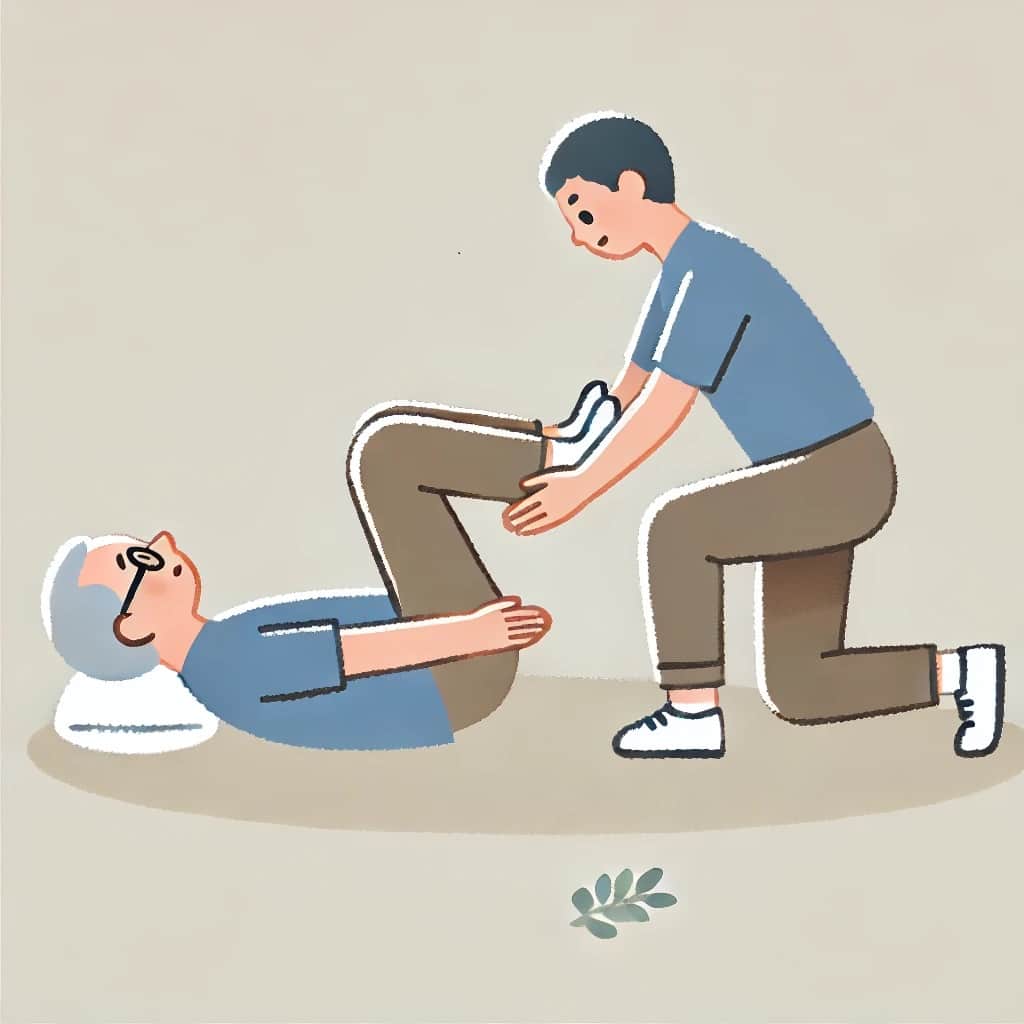
The Most Effective Leg Exercises for Seniors
Strong legs mean better mobility, fewer falls, and a more independent life.
If you’re currently caring for your loved one, you need to integrate leg exercises into their daily routine.
Let’s get into some of the most effective leg exercises for seniors, their benefits, and how to get started safely.
Why Prioritize Leg Exercises for Seniors?
Every year, there are about 1 million fall-related hospitalizations among seniors. Leg exercises can prevent falls. Falls are a major risk for seniors, and strengthening the leg muscles is crucial in reducing this risk.
Keeping the legs strong also helps improve mobility, balance, and overall strength. This means your loved one can move around more confidently and safely.
Strong legs make it easier to perform daily activities and enjoy a better quality of life.
Plus, stronger legs make daily tasks like getting out of bed or walking to the kitchen a breeze.
Types of Leg Exercises for Seniors
Leg exercises are either done seated, standing, chair-assisted or even floor exercises. Let’s take a practical look.
Seated Exercises
-
Seated Leg Lifts:
Sit in a chair with your back straight. Slowly lift one leg straight out and hold for a few seconds, then lower it back down. Repeat this 10-15 times per leg.
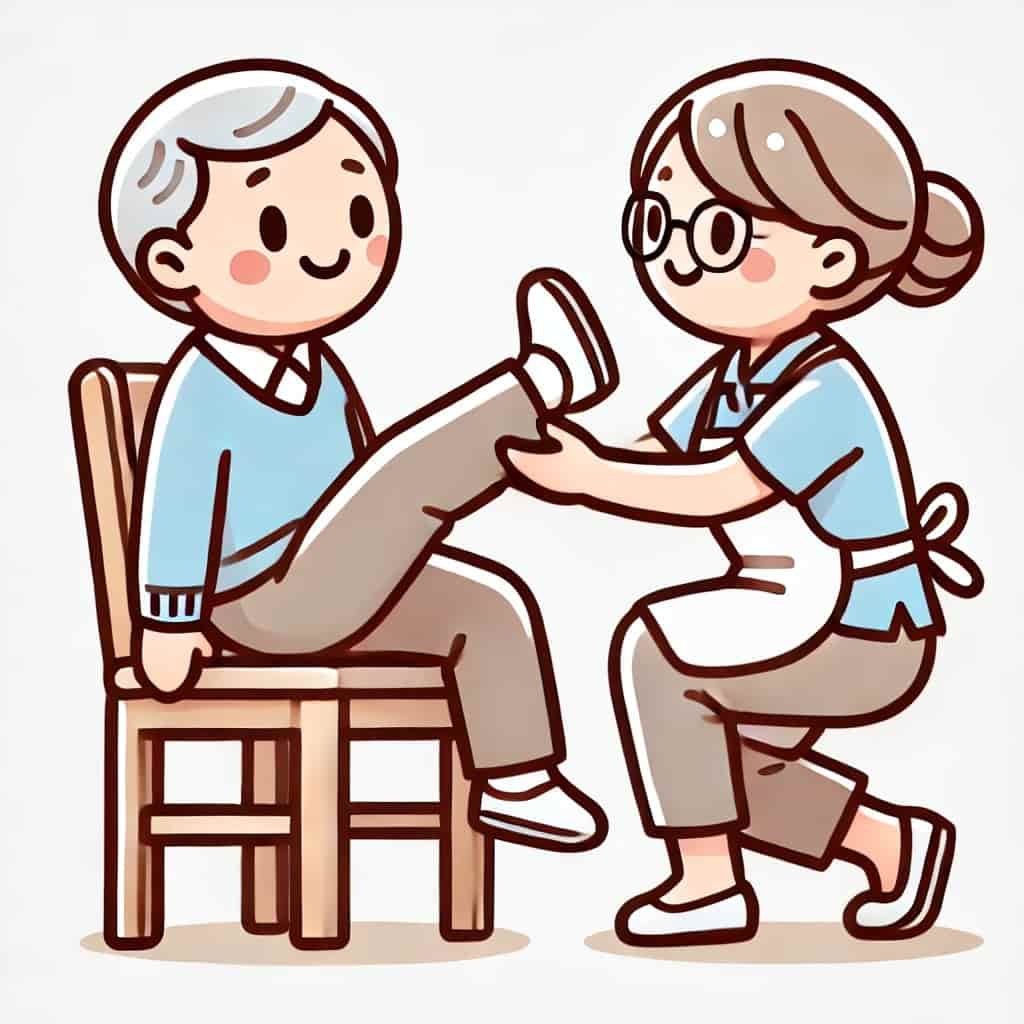
This exercise strengthens the quadriceps and hip flexors, which are essential for mobility and reducing the risk of falls. Keep your back straight and avoid leaning forward to get the best results.
A concern here might be the hygiene of your loved one’s feet. Which is why in-home pedicure services are quite valuable.
-
Ankle Circles:
Sit comfortably and lift one foot off the ground. Rotate your ankle clockwise 10 times, then counterclockwise 10 times. Switch to the other foot.
This exercise improves ankle flexibility and mobility, which is crucial for stability. Move slowly to avoid any strain and ensure the movements are smooth.
-
Heel Slides:
Heel slides target the hamstrings and quadriceps, enhancing flexibility and strength. Sit on the edge of a chair. Slide your heel towards your body and then extend it out again. Repeat this 10-15 times per leg.

Common Mistakes:
In these exercises, avoid jerking your leg up or down. Consistent, smooth motions are key. Also, make sure to maintain proper posture to avoid any strain on the back or hips.
Pro Tip: Incorporate these exercises into daily routines like watching TV or reading. This way, they become a seamless part of the day.
These exercises are low-impact and safe, making them perfect for seniors with limited mobility. They can be done at any time of the day and require no special equipment.
Need help finding a caregiver for your Loved One?

We’re happy to help you find a vetted and compassionate caregiver to care for your loved one. Get in touch with us and tell us what you’re looking for specifically. Our team will help you find the best caregiver for your needs.
Standing Exercises
-
Calf Raises:
Calf raises strengthen the calf muscles, essential for walking and balance.
Stand with your feet shoulder-width apart. Slowly rise onto your toes and hold for a few seconds, then lower back down. Repeat this 10-15 times.
Hold onto a chair or wall for balance if needed and focus on slow, controlled movements.
-
Side Leg Raises:
This exercise targets the abductor muscles, improving balance and lateral movement.
Stand next to a chair for support. Lift one leg to the side, keeping it straight, and hold for a few seconds. Lower it back down and repeat this 10-15 times per leg.
Keep your torso straight and avoid leaning for the best results.
-
Standing Knee Lifts:
Stand with feet hip-width apart. Lift one knee as high as comfortable, hold for a second, and lower it back down. Repeat this 10-15 times per leg.
Standing knee lifts strengthen the hip flexors and improve balance. Engage your core for better stability and maintain steady movements.
Common Mistakes: Avoid rushing through the exercises. Focus on slow, deliberate movements to ensure muscle engagement and prevent injury.
Pro Tip: Perform these exercises near a support structure, like a sturdy chair or countertop, to help with balance.
Standing exercises enhance balance and strength, helping seniors perform daily activities like walking and climbing stairs more efficiently.
Chair-Assisted Exercises
These exercises are excellent for improving coordination and balance, crucial for preventing falls.
-
Sit-to-Stand:
Sit-to-stand exercises are great for strengthening the quadriceps, glutes, and hip muscles, crucial for standing and sitting movements.
Sit in a chair with your feet flat on the floor. Push through your heels to stand up, then slowly sit back down. Repeat this 10-15 times.
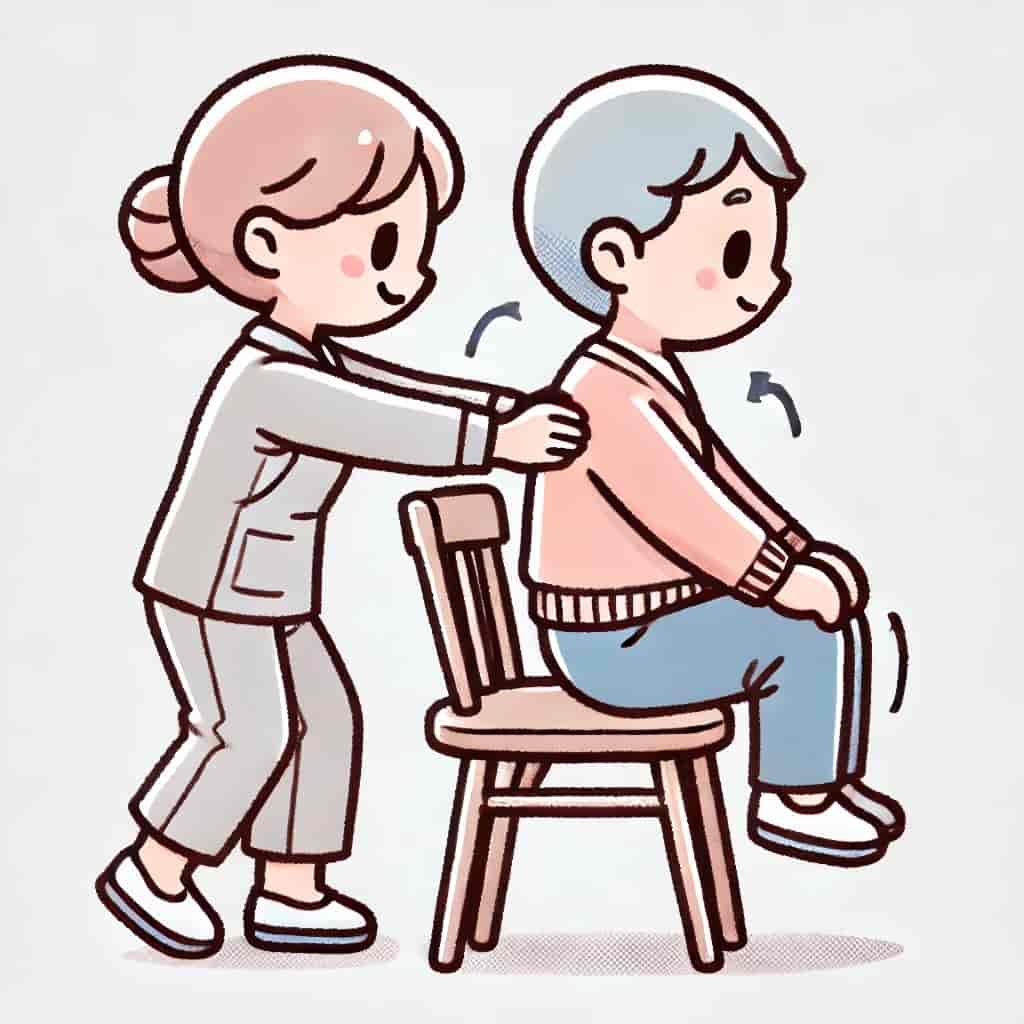
Make sure you Keep your knees aligned with your toes to avoid strain and focus on a controlled, steady rise and descent.
-
Marching in Place:
Stand tall and lift one knee towards your chest, then switch to the other knee in a marching motion.
Continue for 1-2 minutes. This exercise engages the leg muscles and improves coordination. Swing your arms for added balance and keep the movements steady and controlled.
-
Heel-to-Toe Walk:
Walk in a straight line, placing the heel of one foot directly in front of the toes of the other foot. Continue for 10-15 steps.
The heel-to-toe walk improves balance and stability. Focus on a point ahead to maintain balance and take slow, deliberate steps.
Common Mistakes With Chair-Assisted Exercises:
Don’t rush the exercises. Ensure each movement is controlled and deliberate to avoid strain and maximize benefits.
Pro Tip: Integrate these exercises into daily routines, such as during breaks or while waiting for meals to cook.
Floor Exercises
-
Bridging:
Bridging exercises strengthen the glutes and lower back, supporting overall mobility.

Lie on your back with knees bent and feet flat on the floor. Lift your hips towards the ceiling, hold for a few seconds, and lower back down. Repeat this 10-15 times.
Squeeze your glutes at the top for maximum benefit and keep the movements controlled.
-
Leg Swings:
Stand next to a chair for support. Swing one leg forward and backward in a controlled motion. Repeat this 10-15 times per leg.
Leg swings improve hip flexibility and range of motion. Keep your upper body still and focus on the leg movement for the best results.
-
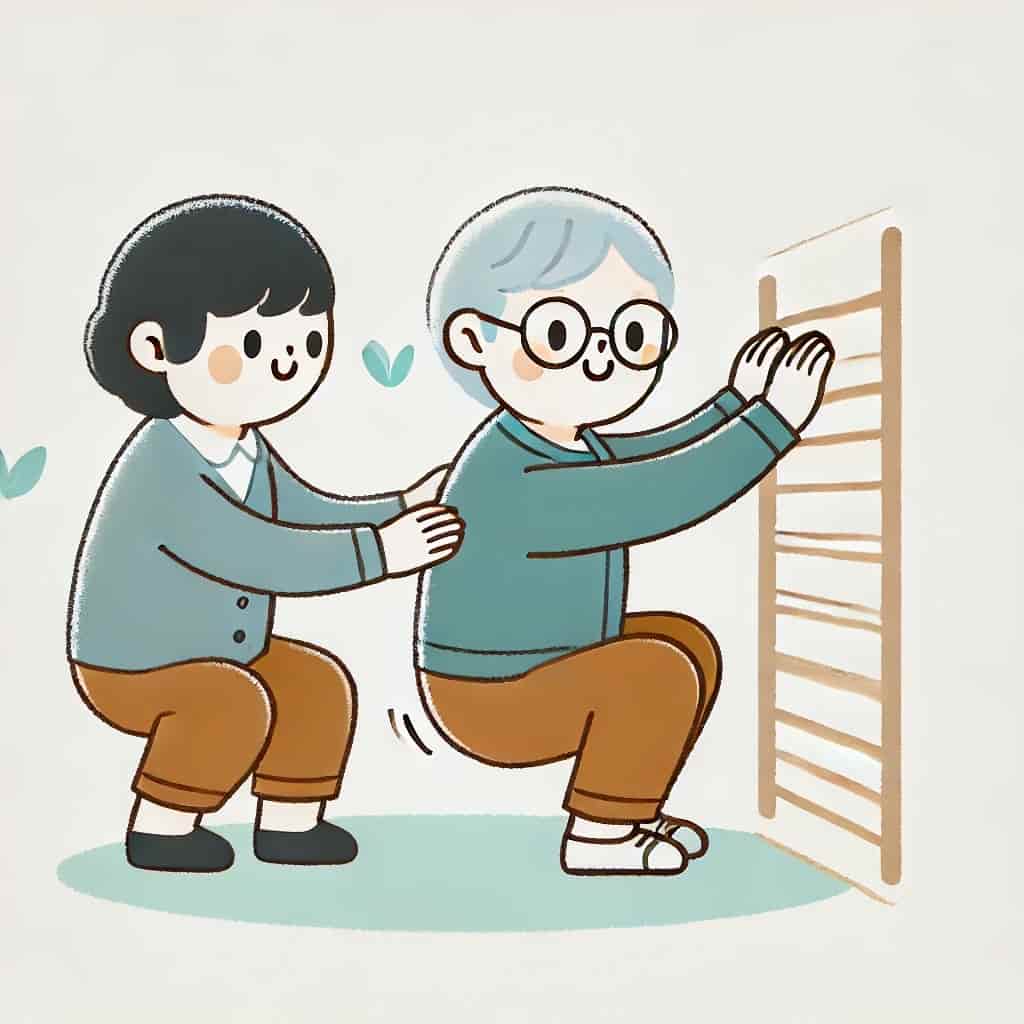
Wall Squats:
Wall squats gently strengthen the quadriceps and glutes, reducing strain on the knees.
Stand with your back against a wall and feet shoulder-width apart. Slide down into a squat position, hold for a few seconds, and slide back up. Repeat this 10-15 times.
Keep your knees behind your toes to avoid strain and focus on a controlled slide down and up.
Looking for more exercises seniors can do from their beds? Here are the most effective bed exercises for seniors to stay healthy right from the bed.
Common Mistakes:
Avoid arching your back excessively during bridging exercises and make sure to perform wall squats slowly to avoid knee strain.
Pro Tip: Use a yoga mat for comfort and to prevent slipping during floor exercises.
Floor exercises provide a full-body workout, targeting multiple muscle groups and enhancing overall strength and flexibility.
Quick Note For All Exercises
For each exercise, aim for 10-15 repetitions and 2-3 sets. Adjust the difficulty based on fitness levels by using a resistance band for added challenge or reducing the range of motion for easier execution.
Always consult a healthcare provider before starting a new exercise routine and listen to your body to avoid any pain.
Besides regular exercise, here are 14 other really crucial tips to help you better care for your elderly loved one at home.
Equipment for Leg Exercises
If you’re now looking for simple equipment to help your loved one exercise their legs more efficiently from home, check out what we have for you:
- Resistance Bands:
Resistance bands are versatile and portable. They provide resistance during exercises, helping to strengthen leg muscles like the quadriceps and hamstrings.
Choose a resistance level that is challenging but allows you to complete the exercise with proper form.
-
Dumbbells:
Lightweight dumbbells are great for adding resistance to exercises like squats and lunges. Start with lighter weights and gradually increase as strength improves.
Avoid lifting weights that are too heavy to prevent strain and improper form.
-
Ankle Weights:
Ankle weights add resistance to exercises like leg lifts and leg curls. Strap ankle weights to your legs for added challenge and ensure they are secure.
- Balance Boards:
Balance boards help improve stability and strengthen leg muscles. Perform balance exercises on the board to engage the leg muscles.
Start with simple exercises and progress to more challenging ones as balance improves.
Need help finding a caregiver for your Loved One?
Creating a Balanced Routine For a Senior
Sample Weekly Schedule
- Monday: Seated exercises (30 minutes)
- Tuesday: Standing exercises (30 minutes)
- Wednesday: Chair-assisted exercises (30 minutes)
- Thursday: Rest day
- Friday: Floor exercises (30 minutes)
- Saturday: Combination of all exercises (45 minutes)
- Sunday: Rest day
Rest and Recovery: Incorporating rest days is essential for muscle recovery and overall health. Listen to your body and ensure it gets the rest it needs.
Want a more detailed daily routine for your loved one to make the most of their time?
Checkout our Sample Daily Schedule For Seniors and get a downloadable template to adapt to your needs.
Safety and Precautions With Exercises for Seniors
Always consult a healthcare provider before starting a new exercise routine, especially if there are existing health conditions. Recognize signs of overexertion and stop if you feel any pain or discomfort.
Adjust exercises based on specific health conditions or limitations to ensure safety.
Conclusion
Get more leg exercises into your loved one’s daily routine to significantly improve their mobility, strength, and overall quality of life.
Start with simple exercises and gradually increase the intensity as they become more comfortable.
Consistency is key. Let’s help our loved ones stay active, healthy, and independent!

Dr. Ella Njike is the branch administrator for Global One Home Care, Boston, an agency that provides quality care for seniors and kids or adults with disabilities. With a Doctorate and extensive experience working in the healthcare industry, Dr Ella brings a unique understanding to the challenges families face. Through Global One Home Care Boston, he ensures that care extends beyond daily tasks, focuses on building genuine connections and respecting each family's journey.
Contact us
We aim to be an active partner in your care, not to take over. You are the CEO of your care, and we support you in managing it effectively.
Here are some features of our Global One Home Care
- 24/7 access to care
- Customized care plans
- Supervisory visits
- Caregiver introductions
- Nutritional planning
- Respite support
- Companionship
- Mobility assistance
- Durable Medical Equipment recommendations
- Errands and Shopping
- Fall Prevention
- ADLs