-
Talk to Our Care Planner
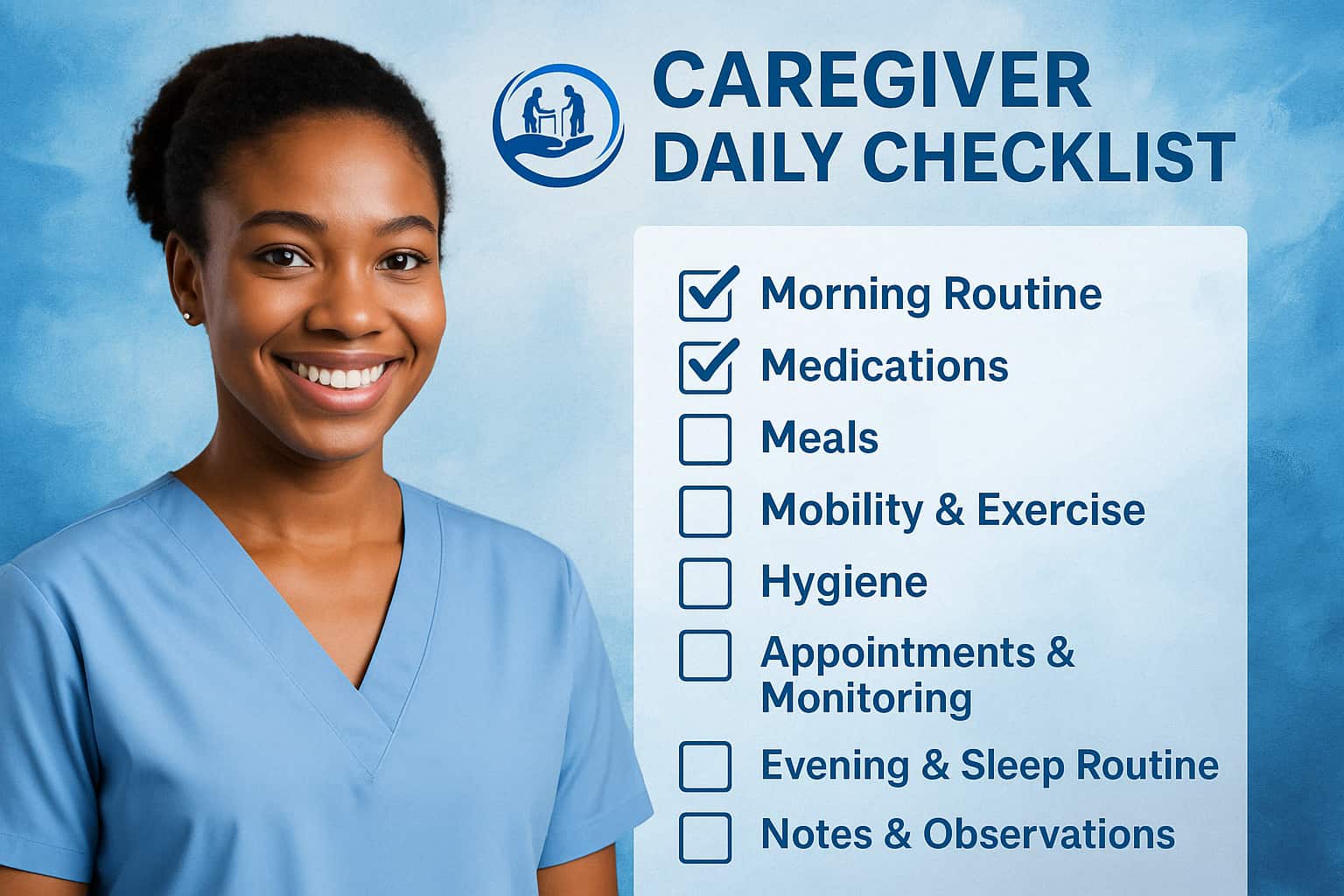
Free Printable Caregiver Daily Checklist for Elderly: Organize Care with Confidence

For us caregivers, some days can feel like everything’s slipping through our fingers.
You forget the 11 a.m. medication. Your parent’s physical therapy appointment completely slips your mind. You’re heating up soup while trying to find clean clothes, answering a nurse’s calls all at once.
You’re doing your best. But things slip.
Maybe you realize too late that your mom missed her morning pill. Or you forgot to track her blood pressure readings from earlier in the week. The stress builds because you care about everything at once.
That’s where a daily checklist becomes more than helpful. It becomes essential.
This printable caregiver checklist brings clarity to your caregiving routine. It keeps you organized without making things complicated. It gives you structure without taking away your flexibility.
And today, it’s free to download.
Get your free printable caregiver daily checklist by filling out the form below.
We’ll send it directly to your inbox so you can print it and use it right away.
Why a Daily Checklist Is a Lifesaver for Caregivers

When you’re caring for an aging parent, things rarely feel simple.
You’re responsible for meals, medications, hygiene, appointments, safety, and emotional support. It’s not one job. It’s ten jobs at once, and they all matter.
That constant pressure takes a toll. Studies show that more than half of caregivers report serious levels of stress.
A daily checklist takes away a lot of stress (and guesswork). It takes the mental pressure off trying to remember everything. It turns chaos into order, without needing an app or a subscription.
Instead of wondering whether your dad took his medication, you can check the box. Instead of holding everything in your head, you have it right in front of you.
A daily checklist is different from a general checklist of priorities you need to consider when handed the responsibility of caring for a loved one.
You’ll use your daily list together with a routine, to handle the daily priorities with extreme mastery and calmness.
A daily checklist brings peace to the caregiver and dignity to the person receiving care.
What’s Inside Our Free Printable Checklist?
Bullet overview of major sections:
-
-
Morning Routine
-
Medications
-
Meals
-
Mobility & Exercise
-
Hygiene
-
Appointments & Monitoring
-
Evening & Sleep Routine
-
Notes & Observations
-
Need help finding a caregiver for your Loved One?

Find My Caregiver Today
Detailed Walkthrough of Each Caregiver Daily Checklist Item
This isn’t a one-size-fits-all document. It was designed with the realities of home caregiving in mind. Every section is there for a reason.
1. Morning Routine
Start-of-the-day routines create stability, especially for seniors who may struggle with memory, anxiety, or mobility. Begin with gentle wake-up practices.
Open the blinds slowly. Speak calmly. Give your loved one time to orient themselves.
Start with toileting and hygiene right after waking. This includes washing the face, brushing teeth, and grooming. A clean, unhurried start helps the person feel respected and ready.
Dressing comes next. Offer two outfit choices rather than asking an open question like “What do you want to wear?” This keeps the person involved without overwhelming them.
Try to keep clothing simple and appropriate for the day’s activities.
2. Medication Reminders
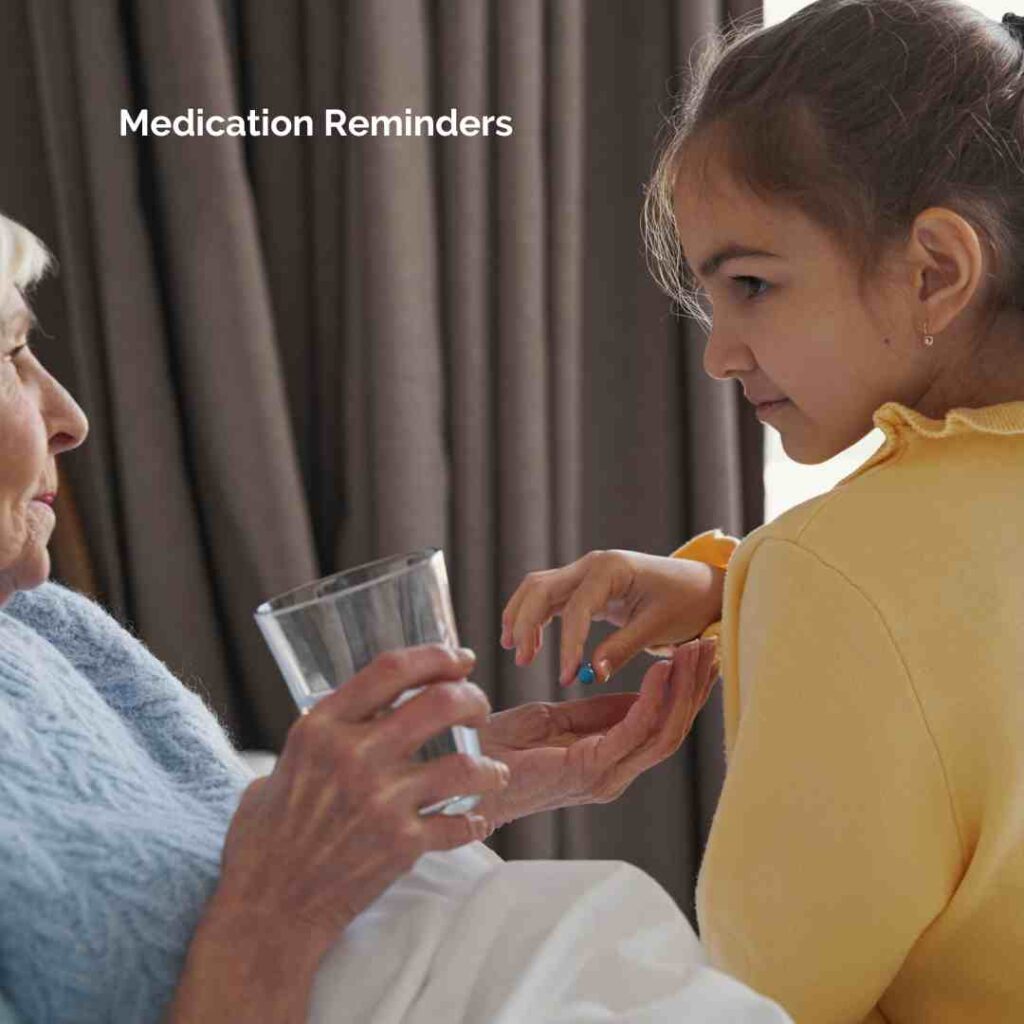
This section of the checklist helps prevent errors and missed doses. Note the time each medication should be given, how it should be taken (with food, after meals, etc.), and any side effects to monitor.
Pill organizers with clear labels can reduce confusion. Many caregivers also set phone alarms to prompt the correct times. After giving the medication, always mark it off immediately. Never rely on memory alone.
Double-check before bedtime that all required medications have been administered. One missed dose can lead to a hospital trip that could have been avoided.
Here’s a thorough guide on how to setup medication reminders for a senior. You’re going to need it.
3. Meals and Hydration
Food fuels energy, mood, and recovery. Plan three meals and include one or two healthy snacks. Use the checklist to note what was served and whether it was finished.
If appetite seems low, record it. This helps you track patterns over time. Here’s how we help our seniors who struggle with a loss of appetite.
Encourage hydration throughout the day. Many older adults simply forget to drink. Offer water at every transition: after medication, after a walk, before meals. You can also include herbal tea, soups, or juice if water intake is low.
Tip: Keep a water bottle nearby at all times and remind gently, not forcefully. If your parent resists drinking, try offering it with a favorite snack.
4. Exercise and Physical Activity
Movement is critical to maintain circulation, flexibility, and emotional well-being. Even five to ten minutes of safe activity makes a difference.
The checklist includes a space to record what activity was done and when.
Even for loved ones who can’t walk, here’s a list of simple bed exercises they can try at home with your help.

Use the checklist to ensure that daily movement becomes part of the routine.
5. Hygiene and Grooming
Cleanliness is tied to self-esteem. A daily bath or sponge bath should be done with sensitivity and respect. Allow the person to participate as much as possible. Speak gently. Give choices when you can.
Tasks in this section include brushing hair, trimming nails, shaving, and wearing fresh clothes. Always observe for signs of skin irritation, rashes, or sores, especially if your loved one sits or lies down for long periods.
- Tip: Play soft music or talk about pleasant memories during hygiene routines. This helps reduce discomfort and resistance.
Here’s a complete guide on shower assistance for aging loved ones.
6. Appointments and Vitals
This section helps you track anything medically relevant. Use it to write down scheduled appointments, phone calls with healthcare providers, and results of vitals taken at home.
These might include blood pressure, blood sugar, temperature, or weight.
Keep the checklist close to where care happens. Some caregivers post it on the fridge or leave it with the day’s supplies.
Review this section weekly to notice any patterns or concerns. If something doesn’t feel right, bring it up with the care team.
7. Cognitive and Emotional Health Check-ins
Caring for an elderly parent’s body is only half the job. Emotional and cognitive check-ins are just as important. Include a few minutes each day to talk, ask memory-based questions, or just sit quietly together.
Signs to look out for include confusion, withdrawal, frustration, or sudden mood changes. Write these in the notes section and monitor over time.
Some families use this moment to do puzzles, look at photo albums, or listen to favorite songs. These small habits help stimulate memory and reduce loneliness.
8. Evening Routine
As the day winds down, routines matter more than ever. This section covers toileting, nighttime medication, washing up, and preparing for bed.
Dim the lights early to signal the transition. A short conversation or gentle activity can help ease into sleep. Always check for tripping hazards before leaving the room.
Use the checklist to confirm that all evening tasks are done. This prevents late-night surprises or stress.
Notes and Communication
Leave room each day to write observations. Maybe you noticed swelling in the feet or a drop in appetite. Maybe your loved one seemed more tired than usual.
These notes are vital, especially when working with multiple caregivers or speaking with a doctor.
This section is also where communication happens. Write reminders, instructions, or follow-ups for the next caregiver shift or family member.
Pro Tips to Make the Checklist Work for You

A checklist is only useful if it fits your actual life. Here’s how to make it work for your routine.
Personalize It
Print several copies and organize them in a folder or binder. If you prefer to reduce waste, laminate a copy and use dry-erase markers.
Color-code sections by category. For example, use green for medical, blue for hygiene, and yellow for meals.
Get the Elder Involved
Whenever possible, include the person you’re caring for in the process. Ask what time they prefer to eat lunch. Let them check off their own medication if they’re able.
This encourages autonomy and gives them a sense of control.
Even small choices matter. Instead of saying, “It’s bath time,” try “Would you like a shower now or in an hour?” These little shifts can make routines smoother.
Update When Needed
Review your checklist weekly. Update it whenever there’s a hospital visit, a care plan adjustment, or a new health concern.
You can print the checklist daily, laminate and reuse it, or post it in a visible place for shared caregivers. However you use it, the goal is the same: to make caregiving less overwhelming and more structured.
This daily checklist helps you track your day. Want a full recommended routine to follow? Download our free caregiver daily routine here
This sample detailed caregiver daily routine template shows you how all these checklist items can be expertly laid out throughout the day. It’s essential to pair today’s checklist with the daily routine.
Caregiver Daily Checklist vs. Daily Routine: Difference and Why It Matters
1. A Daily Routine Is the Plan. A Checklist Is the Tool to Execute It.
- Daily Routine:
A routine outlines what should happen during the day. It’s structured, often presented as a schedule or guide. It might say:
-
Wake up at 7:30 AM
-
Bath and breakfast by 9:00
-
Medications at 10:00
-
Light walk after lunch
-
Wind down at 8:00 PM
This helps caregivers understand the flow of the day, especially if they’re new to the role or managing multiple seniors.
- Checklist:
A checklist is the hands-on tracking tool to make sure that each part of that routine was actually followed. It gives caregivers an easy way to log, verify, and communicate:
-
Did the senior take their 10 AM meds?
-
Was their mood observed and recorded?
-
Did they drink enough water today?
-
What was their blood pressure reading?
It provides accountability, documentation, and clarity, especially when care is shared between multiple people.
2. Different Use Cases
The daily routine is ideal for:
- First-time family caregivers who need a clear daily structure
- Families trying to set up a care plan after a hospital discharge
- People exploring whether they can manage home care on their own.
The checklist is for:
- Families with rotating caregivers needing a shared communication tool
- Professionals needing documented evidence of care for legal or medical purposes
3. They Work Best Together
Think of the routine as the map. And the checklist as the daily logbook used to stay on track and record the journey.
FAQs about Elderly Caregiver Checklists
Have any more questions? We’ve answered some of the most frequently asked questions:
Is this checklist suitable for dementia patients?
Yes. The structure of this checklist helps reduce confusion and supports a predictable routine, which is especially helpful for those with memory loss.
You can adjust the tone and order of tasks to match your loved one’s abilities and needs.
Here’s how we help care for dementia patients, in case you need some guidance as well.
Can I use this if multiple people are caring for the same person?
Absolutely. Many families use this checklist as a communication tool.
Print it and keep it visible so everyone can see what’s been done and what still needs attention.
How often should I update the checklist?
Review it weekly and update it whenever there’s a change in health, medication, or routine.
Some caregivers revise it after a doctor’s appointment or a hospital visit.
Is there a digital version available?
Right now, the checklist is designed for print, but a digital version is in the works.
For now, many caregivers print several copies and use them daily or keep one laminated for dry-erase use.
What if my parent refuses help?
Start slow. Include them in small decisions. Let them check off their own tasks when possible. A checklist can help shift the focus from “being told what to do” to “following a shared plan.”
This reduces resistance and helps maintain a sense of dignity.
Do you offer other templates or tools for caregivers?
Yes. We’re currently developing more resources, including a weekly planner, a medication tracking sheet, and a home safety checklist.
By signing up to receive the daily checklist, you’ll be the first to know when those are released.
Final Thoughts: Structure = Peace of Mind
You don’t have to be perfect. You just need a plan that works.
A daily checklist won’t solve every challenge, but it will give you a system to hold onto when things feel messy. It frees your mind to be more present.
It allows you to focus on connection instead of just tasks. And it reminds you that peace doesn’t come from doing everything—it comes from doing the right things, consistently.
You already care. This checklist helps you care with more confidence and less chaos.

Dr. Ella Njike is the branch administrator for Global One Home Care, Boston, an agency that provides quality care for seniors and kids or adults with disabilities. With a Doctorate and extensive experience working in the healthcare industry, Dr Ella brings a unique understanding to the challenges families face. Through Global One Home Care Boston, he ensures that care extends beyond daily tasks, focuses on building genuine connections and respecting each family's journey.
Contact us
We aim to be an active partner in your care, not to take over. You are the CEO of your care, and we support you in managing it effectively.
Here are some features of our Global One Home Care
- 24/7 access to care
- Customized care plans
- Supervisory visits
- Caregiver introductions
- Nutritional planning
- Respite support
- Companionship
- Mobility assistance
- Durable Medical Equipment recommendations
- Errands and Shopping
- Fall Prevention
- ADLs